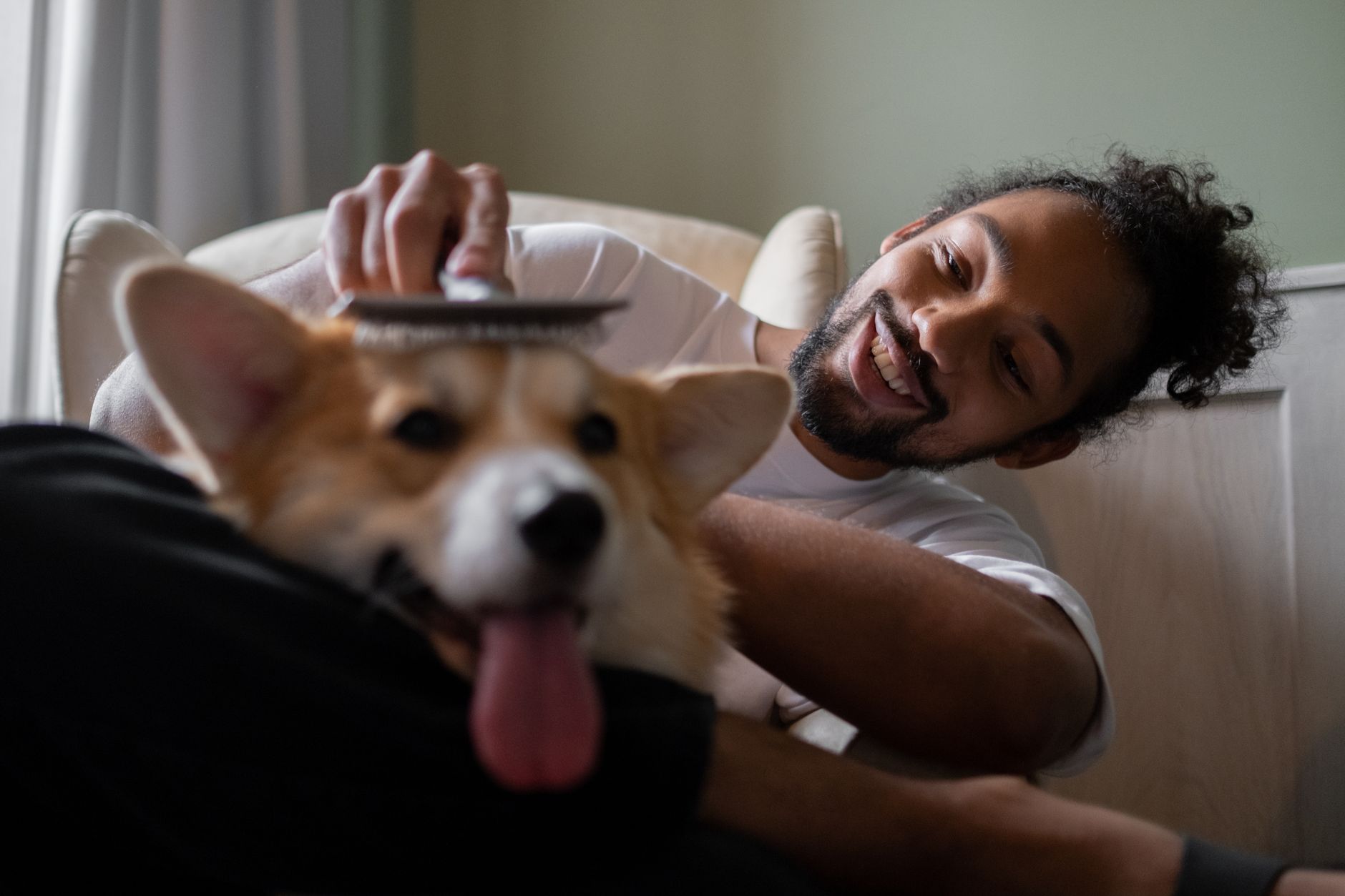
If you’ve wondered whether deshedding shampoos actually work, you’re not alone — and the answer matters before you spend money on a crowded shelf category. Walk through any pet store and you’ll see shampoos promising to reduce shedding by 70%, 80%, even 90%. It’s a loud product category with aggressive claims. The honest answer is: yes, but not in the way most labels imply. What they do, what they can’t do, and which dogs benefit most is where the real story is.
This guide covers the mechanism behind these shampoos, how they compare to regular dog shampoo, which coat types actually benefit, and how to read a label without getting distracted by marketing language. By the end, you’ll know whether a de-shedding shampoo belongs in your grooming routine — and what to look for if it does.
Disclosure: This article contains affiliate links. If you purchase through these links, we may earn a small commission at no extra cost to you. As an Amazon Associate, we earn from qualifying purchases.
What De-Shedding Shampoos Actually Do to Your Dog’s Coat
Start here: “de-shedding shampoo” is a marketing category, not a regulated formula type. There’s no governing body that defines what a shampoo must contain to carry that label. That means quality varies enormously, and the term alone tells you nothing.
That said, the better formulas do something real.
What well-formulated de-shedding shampoos actually do:
- Hydrate and soften the coat so loose hairs release more easily during and after the bath. A dry, coarse undercoat clings to itself. Moisture disrupts that.
- Condition the skin barrier, which reduces friction between loose hairs and healthy ones. Less friction means easier release during brushing.
- Deliver follicle-supporting ingredients — omega fatty acids, aloe vera, vitamin E — that build cumulative coat health over regular use. This isn’t a one-bath transformation. It’s a long-game benefit.
What de-shedding shampoos do not do:
- Stop the hair follicle cycle. Shedding is a biological process driven by daylight hours, temperature, and hormones. No topical product interrupts that at the root level.
- Remove dead undercoat. The shampoo loosens it. A de-shedding tool, a thorough blow-dry, or a good brushing session does the actual removal.
- Replace your grooming routine. If you skip brushing and rely on the shampoo alone, you’ll be disappointed.
The right frame: a good de-shedding shampoo is a force multiplier. It makes your brushing and drying session more effective. It is not a standalone fix.
De-Shedding Shampoo vs. Regular Shampoo: Is There a Real Difference
A regular dog shampoo is designed to clean — removing debris, odor, and environmental buildup while maintaining the coat’s natural pH. Dog skin pH runs higher than human skin, so using human shampoo on dogs over time causes skin issues. A quality regular shampoo respects that balance.
What a de-shedding shampoo adds on top of that:
- A higher concentration of conditioning agents, specifically formulated to penetrate the undercoat layer rather than just coat the topcoat
- Omega-rich oils — fish oil derivatives, flaxseed oil, salmon oil — that support coat conditioning from the outside in
- Formulation weight that allows the product to reach the base of a dense double coat, not just sit on the surface
The honest comparison:
For a single-coated, low-shed breed, the functional difference between a good moisturizing shampoo and a deshedding shampoo is minimal. You’re not going to see a meaningful change in shedding, and you don’t need to spend extra.
For a double-coated heavy shedder — a Husky, a German Shepherd, a Golden Retriever — a formula designed to reach and soften the undercoat provides a genuine advantage, especially during active shedding season. The undercoat on these dogs is dense enough that standard shampoo often doesn’t penetrate it effectively.
On price: more expensive does not mean better here. Mid-range formulas with clear, readable ingredient lists frequently outperform premium products that lead with “de-shedding complex” and bury the actual formula. That phrase — “de-shedding complex” — is usually a signal to dig deeper.
Which Dogs Actually Benefit From a De-Shedding Shampoo
Double-coated heavy shedders
This is who the product category was genuinely built for. Huskies, German Shepherds, Golden Retrievers, Labrador Retrievers, Corgis, Bernese Mountain Dogs, Chow Chows, Malamutes — breeds with a dense undercoat that holds onto loose hairs. A formula that softens that layer makes subsequent brushing and blow-drying dramatically more effective, particularly during coat blow — the heavy seasonal shed when the undercoat releases in large volumes.
Seasonal heavy shedders with a moderate undercoat
Australian Shepherds, Collies, and similar breeds with a lighter undercoat can benefit during peak shedding periods — especially if their coat is prone to light matting when the shed hits. Less critical than for classic double coats, but still useful.
Short-coated high-shed dogs
Beagles, Dalmatians, Boxers — these dogs shed constantly, but they have no dense undercoat to soften. A good moisturizing regular shampoo typically performs just as well. De-shedding shampoos aren’t harmful here, just often unnecessary.
Low-shed or non-shedding breeds
Poodles, Bichons, Maltese — no meaningful benefit from a de-shedding formula. Use a hydrating shampoo matched to their coat type and texture.
Dogs with dry or irritated skin
What to Look for on the Label — and What’s Just Marketing Noise
Ingredients worth looking for
- Omega-3 and omega-6 fatty acids (listed as fish oil, flaxseed oil, or salmon oil) — support follicle health and provide coat conditioning
- Aloe vera — soothes skin and aids moisture retention
- Oatmeal — calms irritated skin; useful for dogs prone to environmental allergies during shedding season
- Panthenol (Vitamin B5) — penetrates the hair shaft, improves elasticity, reduces breakage
- Vitamin E — antioxidant support for the skin barrier
Where these appear on the ingredient list matters. Ingredients are listed by concentration. If omega oils appear in the second half of a long list, they’re present in trace amounts. Look for them in the first third.
- “Reduces shedding by X%” — there is no valid basis for this claim. The hair follicle cycle is not affected by a topical wash. Treat this as marketing noise.
- “De-shedding complex” with no ingredient breakdown — proprietary blend language that obscures a thin or generic formula
- Artificial fragrance high on the ingredient list — signals that the formula leans on scent rather than function, and raises the risk of skin irritation
- Sulfates (sodium lauryl sulfate or sodium laureth sulfate) in a formula marketed for double coats or sensitive dogs — these strip natural oils, which worsens shedding and coat dryness over repeated use
What “natural” actually means here
Not much, legally. “Natural” is not regulated on pet product labels. The front-of-bottle language is marketing. The ingredient list is the truth — read it. The same label-reading discipline applies beyond the shampoo bottle — Does Dog Food Affect Shedding? What to Look for on the Label to Reduce Hair Loss walks through how to apply this same scrutiny to your dog’s diet, where ingredient quality can also have a meaningful impact on coat health.
De-Shedding Shampoos That Actually Work — and a Few to Skip
So do deshedding shampoos actually work? The answer depends entirely on the formula. Rather than naming every brand, here’s what to select for and what to reject based on formula characteristics.
Worth using: formulas with a short, readable ingredient list, omega-rich oils appearing in the first half of the ingredients, no artificial fragrance, and explicit design for double-coated or heavy-shed breeds. The FURminator de-shedding shampoo and conditioner is one of the more widely available options that delivers on the undercoat-softening claim — particularly when used with the matching conditioner as a two-step system.
Skip: anything marketed as a “one-bath shed cure,” formulas with sulfates or fragrance near the top of the label, and any product whose marketing copy implies it replaces brushing. No shampoo removes dead undercoat. It loosens it — that’s the job.
One point on conditioner: the conditioner step in a de-shedding system is often where the most meaningful undercoat softening happens. Conditioner stays on longer and penetrates more deeply than shampoo. If you’re buying a de-shedding shampoo, consider pairing it with a matching de-shedding conditioner — it’s a genuine upgrade for heavy-shedding double coats, not just upselling.
How to Get the Most Out of a De-Shedding Shampoo at Home
The shampoo only performs as well as the process around it. Here’s how to use it so it actually delivers.
Pre-bath brush
Brush out as much loose coat as possible before the bath. Wet, tangled undercoat is harder to work through and can mat during drying. Starting with a cleaner coat means the shampoo reaches the undercoat instead of fighting through a surface mat. If you’re unsure which tool to reach for, the guide to Best De-Shedding Tools for Heavy Shedders: Furminator vs. Undercoat Rake vs. Deshedding Brush breaks down what works best by coat type.
Wet thoroughly before applying
A dense double coat takes longer to saturate than it looks. Work water in by hand before applying shampoo — pressing water down through the topcoat to the skin. An under-wet coat means the shampoo sits on the surface and never reaches the undercoat layer where it’s needed.
Work shampoo into the undercoat, not just the topcoat
Don’t just lather the surface. Use your fingers or a rubber grooming brush to massage the shampoo down to skin level, especially around the ruff, haunches, and chest — the densest areas on most double-coated breeds. A bath-time rubber grooming brush is useful here because the nubs help part the topcoat and distribute product more effectively than fingers alone.
Let it sit
Most de-shedding shampoos specify a dwell time of 2–5 minutes. This matters. Don’t rinse immediately. The conditioning agents need contact time to soften the undercoat. Rinsing early cuts that process short.
Rinse thoroughly
Residue left on the skin causes irritation and increases coat cling. That counteracts the loosening effect you just worked for. Rinse longer than you think is necessary. The water should run completely clear before you stop.
Follow with conditioner
Apply a de-shedding conditioner after shampoo, work it into the undercoat using the same technique, and leave it for 3–5 minutes before rinsing. For double coats, this is not an optional step. The conditioner is where a significant portion of the softening happens.
The drying phase is where shedding reduction actually occurs
The shampoo loosens the coat. Brushing during and after the drying phase removes it. If you have a high-velocity dog dryer, use it — blowing loose undercoat out during drying is far more effective than towel drying alone. Brush as you dry for best results. For a full step-by-step on this process, the How to De-Shed Your Dog at Home: Step-by-Step Routine That Actually Reduces Hair covers it in detail.
Frequency guidance
- Active shedding season: every 4–6 weeks for most heavy shedders
- Off-season maintenance: every 6–8 weeks is sufficient
More frequent bathing strips natural oils and can increase shedding rather than reduce it. Resist the urge to bathe weekly because the dog is visibly shedding — it won’t help and may make things worse.
Frequently Asked Questions
Can de-shedding shampoo replace brushing? No. The shampoo loosens the undercoat; brushing and blow-drying remove it. Both steps are necessary. A shampoo used without follow-through brushing will leave loosened coat still clinging to the dog.
How often should I use a de-shedding shampoo on my dog? Every 4–6 weeks during active shedding season. Every 6–8 weeks in the off-season for most heavy shedders. Bathing more frequently than that strips natural oils and can make shedding worse, not better.
Are de-shedding shampoos safe for puppies? Most are too strong for puppies under 12 weeks. Look for puppy-specific formulas. For dogs between 8–12 weeks, a gentle plain shampoo is usually the safer choice.
What’s better — de-shedding shampoo or conditioner? The conditioner step is often more impactful for undercoat softening because it has longer contact time with the coat. Using both together produces better results than either alone. If you’re only going to buy one, the conditioner may actually deliver more noticeable results.
Do de-shedding shampoos work on short-haired dogs? They’re not harmful, but the benefit is minimal compared to dogs with undercoats. Short-coated breeds like Beagles and Boxers don’t have the dense undercoat layer these formulas are designed to soften. A quality moisturizing shampoo often performs equally well for them.
Why is my dog still shedding heavily after using a de-shedding shampoo? The shampoo loosens coat — it doesn’t stop shedding. Shedding is a biological cycle no topical product can turn off. If heavy shedding continues beyond normal seasonal patterns, the guide on Why Is My Dog Shedding More Than Usual? 7 Real Causes (and What to Do About Each) covers the owner-addressable causes worth checking first.
Conclusion
Here’s the honest answer: yes, deshedding shampoos actually work — within a specific and realistic scope. A well-formulated option will soften and loosen the undercoat, support follicle health with repeated use, and make your brushing and drying session noticeably more effective. What they will not do is stop the biological shedding cycle, remove dead undercoat on their own, or deliver the 80% reduction claim printed on most labels.
Your decision framework:
- Double-coated heavy shedder? A good de-shedding shampoo paired with a conditioner is a worthwhile addition to your routine.
- Short-coated or low-shed dog? A quality moisturizing shampoo is likely all you need.
Three label rules to take with you:
- Look for omega oils and aloe vera in the first half of the ingredient list
- Avoid sulfates and artificial fragrance, especially for sensitive or double-coated dogs
- Ignore any percentage shedding reduction claim — it has no meaningful basis
For what comes next: if you’re heading into shedding season, the brushing and bathing schedule for heavy shedders gives you a practical week-by-week approach. If your dog is shedding more than seems normal, the guide on why dogs shed excessively covers the owner-addressable causes worth checking. And for the full bath process from start to finish, the at-home de-shedding routine walks through every step.
Grooming, Care & Gear