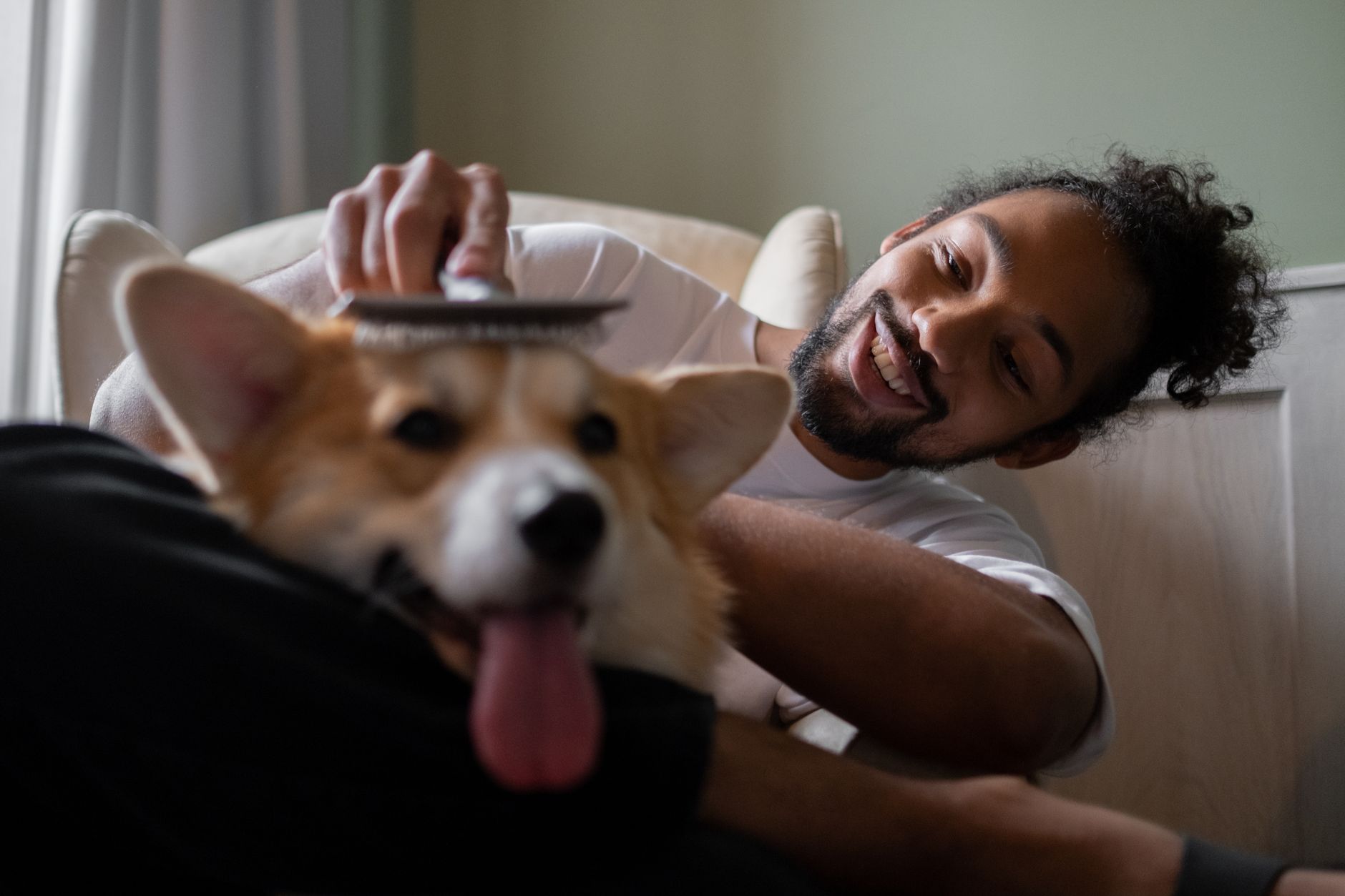
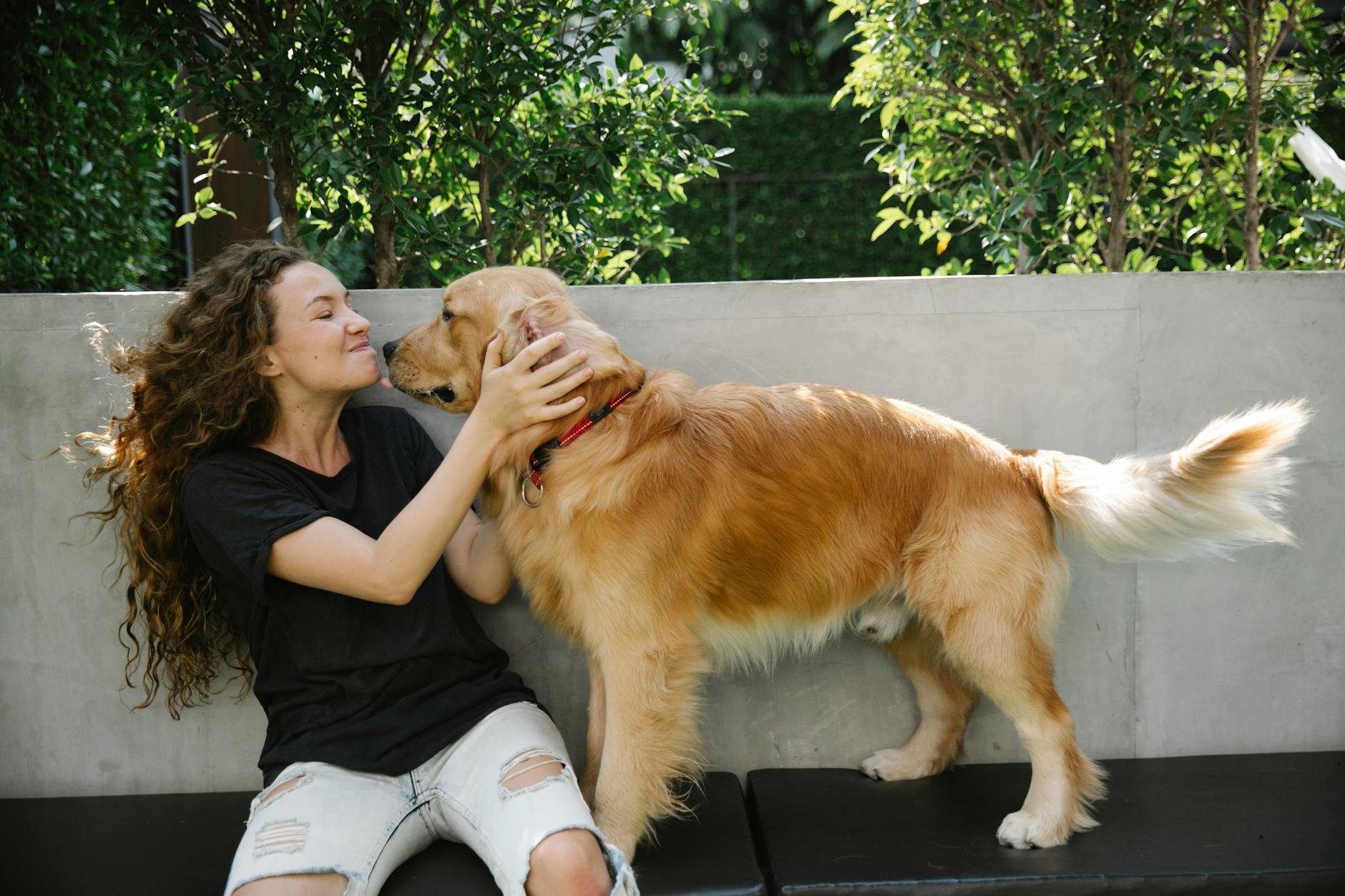
A consistent dog shedding season brushing schedule does three things: it removes loose coat faster, keeps sessions shorter, and makes the whole season feel manageable instead of endless. Shedding peaks twice a year — spring and fall — and owners who get through it with the least chaos are the ones working a routine, not reacting when the hair gets overwhelming. This article is that routine, broken down by coat type and week so you can follow it start to finish.
Disclosure: This article contains affiliate links. If you purchase through these links, we may earn a small commission at no extra cost to you. As an Amazon Associate, we earn from qualifying purchases.
Why Your Dog Shedding Season Brushing Schedule Matters More Than Effort
Brushing whenever it gets bad is reactive. By the time you notice the hair, loose undercoat has already built up in layers. One long session rarely clears it all.
Spaced sessions work better. Each one removes the next layer as it releases. A bath before brushing loosens anchored undercoat that dry brushing cannot reach. That makes the post-bath brush far more productive. But none of it works if the timing is random.
A schedule also prevents over-brushing in a single sitting. Too much in one session irritates skin and makes dogs less cooperative over time. Consistency is what shortens the season — not effort.
Dog Shedding Season Brushing Schedule by Coat Type
This is the core of your grooming plan during shedding season. Find your dog’s coat type below, then apply that frequency for the full active period.
Double coat (Huskies, Labs, Golden Retrievers, German Shepherds)
- Daily brushing during peak weeks
- Dense undercoat releases in volume — daily brushing is necessary, not overkill
Single coat (Poodles, Maltese, Shih Tzus)
- 3–4x per week
- Less undercoat to clear, but loose hair mats into the surface coat quickly if left
Short, smooth coat (Beagles, Boxers, Dachshunds)
- 3x per week with a rubber curry brush or grooming mitt
- These dogs shed more than most owners expect — the hairs are just short enough to embed in fabric and furniture
Wire/rough coat (Terriers, Schnauzers)
- 2–3x per week
- Note: wire coats may need hand-stripping or a professional session for full undercoat clearing — home brushing alone often is not sufficient
Low-shed/minimal coat (Greyhounds, Whippets)
- 1–2x per week
- A rubber mitt is all you need
Practical note: During the first two weeks of a coat blow — the seasonal release of the entire undercoat at once — bump every coat type up by one session per week. That is when the shedding season brushing schedule earns its keep.
If you are not sure whether your dog is in a full coat blow or just routine shedding, Dog Blowing Coat: What It Is, How Long It Lasts, and How to Survive It covers what that looks like and how long to expect it.
For help choosing the right brush per coat type, see Best De-Shedding Tools for Heavy Shedders: Furminator vs. Undercoat Rake vs. Deshedding Brush.
Success marker: After each session, you should collect less hair than the one before. If volume is not dropping after a week on schedule, check your tool selection — the schedule is working if your process is.
How to Build Your Bathing Schedule Around the Shedding Cycle
Bathing is not a replacement for brushing. It is an accelerator. A bath before a full brush session moves more coat because it loosens anchored undercoat that dry brushing cannot reach.
Bathing frequency during active shedding:
- Heavy double-coated dogs: Every 2–3 weeks
- Single-coat and smooth-coat dogs: Every 3–4 weeks
Do not bathe more than once a week. Frequent washing strips the coat’s natural oils. This can increase shedding and cause skin irritation. If you are bathing more often hoping to reduce hair volume, it is likely making things worse.
On deshedding shampoo: For double-coated dogs during peak season, a deshedding shampoo is worth using. These formulas contain hydrolyzed proteins or omega-enriched conditioning agents. They help release loose coat during the bath rather than just cleaning surface dirt. They are not essential for smooth or single-coat dogs. For a dense double coat, the difference in coat release is real. If you want a deeper look at which products actually deliver results, Do De-Shedding Shampoos Actually Work? What to Use and What to Skip breaks down what to look for and what to avoid.
On drying: This step matters more than most owners realise. Blow-drying after a bath lifts and separates loose hair before you even pick up a brush. A dog-specific dryer or high-velocity forced-air dryer is the best option for heavy coats. A human hairdryer on the lowest heat setting works too — it just covers less area per pass.
Success marker: A bath-and-brush session at the right point in the cycle should yield more coat than a dry-brush session alone. If it does not, either the timing is off or the shampoo is not penetrating the undercoat.
Your Week-by-Week Dog Shedding Season Brushing Schedule
This is a practical template. Adapt the frequency to your dog’s coat type using the reference above. The structure is what matters — not the exact days.
Heavy Double-Coated Dogs (4-Week Active Season)
Week 1 — Onset
- Brush 5x this week, spaced out — not back-to-back
- Schedule one bath mid-week using deshedding shampoo
- Blow-dry fully after the bath
- Brush immediately after drying while the coat is still releasing
- Expect the highest volume of coat this week — that is the schedule working
Week 2 — Peak
- Brush daily
- Schedule one bath toward the end of the week
- Blow-dry and brush immediately after — same sequence as Week 1
- Daily brushing keeps loose hair from overwhelming furniture and floors
Week 3 — Tapering
- Drop to 4–5x brushing
- One bath mid-week
- Volume should be reducing session over session — if it is not, see the escalation section below
Week 4 — Settling
- 3–4x brushing
- One final bath
- Return to your off-season schedule after this week if shedding has clearly reduced
For the full step-by-step method behind each session, see How to De-Shed Your Dog at Home: Step-by-Step Routine That Actually Reduces Hair.
Wire/Rough Coat Dogs (4-Week Active Season)
Week 1 — Onset
- Brush 3x this week
- One bath mid-week — deshedding shampoo is optional but useful if the undercoat is dense
- Brush after drying
- If the coat feels blocked or matted beneath the surface, book a professional session this week rather than at the end of the season
Week 2 — Peak
- Brush 3x
- One bath toward the end of the week
- If hand-stripping is part of your dog’s routine, this is the right week to do it
Week 3 — Tapering
- Brush 2–3x
- One bath mid-week
- Volume should be easing by now
Week 4 — Settling
- Return to 2x brushing
- One final bath
- Transition back to maintenance after this week
Short Smooth-Coat and Single-Coat Dogs (Lighter Schedule)
- Brush 3x per week throughout active shedding
- Bathe every 3–4 weeks — no forced-air drying required
- No major weekly escalation needed — consistent frequency at this level is sufficient
- For smooth-coat dogs, a rubber curry brush or grooming mitt is more effective than a slicker brush during shedding season
In practice: Dogs on a consistent shedding season brushing schedule shed faster and more completely. Each session builds on the last. Irregular sessions draw the season out because loose coat keeps releasing without ever getting fully cleared.
Tools You Need for Each Step of the Schedule
Keep the gear list simple. The right tool per task is what matters.
For brushing sessions:
- Double coats: undercoat rake or slicker brush
- Smooth coats: rubber curry brush or grooming mitt
- Single coats: pin brush
For a detailed breakdown by coat type, see Best De-Shedding Tools for Heavy Shedders: Furminator vs. Undercoat Rake vs. Deshedding Brush.
For bathing:
- A deshedding shampoo for double-coated dogs during peak season
- Look for formulas that mention undercoat release or conditioning agents that loosen coat — not just surface cleaning
For post-bath drying:
- A dog-specific dryer or forced-air dryer for heavy coats
- This is the step most home groomers skip — it is also the one that makes the biggest difference in how much coat you collect
- A human hairdryer on low heat works but covers less area per pass
For home hair management:
- A good lint roller — honest and unglamorous, but a real part of any dog shedding season care routine
- Even a perfect schedule leaves some hair on furniture and clothing
- A lint roller handles that without adding to your grooming time
When the Schedule Is Not Enough: Signs to Escalate
Most dogs respond well to a consistent weekly dog brushing routine during shedding season. But here are three situations where the home routine needs backup.
1. Book a professional grooming session If after 2–3 weeks on the shedding season brushing schedule the volume is not reducing, a professional de-shedding bath and blowout can reset the coat. High-velocity professional dryers reach dense double coats in ways most home setups cannot. One professional session mid-season can make the remaining home sessions much more effective.
2. Review diet Persistent heavy shedding that does not respond to brushing or bathing sometimes has a nutritional cause. Omega fatty acid gaps are linked to coat quality and shedding volume. Adding a skin and coat supplement alongside dietary review can be a useful supportive step — but if shedding is excessive, rule out an underlying cause first. Does Dog Food Affect Shedding covers what to look for on the label if you suspect this is a factor.
3. See a vet Shedding with bald patches, skin irritation, itching, or a change in coat texture is a different problem. A grooming schedule does not address it. My Dog Is Shedding So Much I Can See Bald Patches — What’s Wrong? walks through what those signs can indicate and when a vet visit is the right call.
What Success Looks Like at the End of Shedding Season
By the end of the season, your brushing sessions should collect far less hair than they did in Week 1. Your dog should be comfortable during grooming — not just tolerating it. The house will still have some hair. That is the reality of owning a shedding dog. But it will feel manageable rather than constant.
A good dog shedding season brushing schedule does not eliminate shedding. No routine does. What it does is shorten the active season and reduce the overwhelm. It also keeps your dog’s coat and skin in better condition throughout. Save this schedule and run it again when the next season starts. The second time through, you will already know what week you are in before the hair tells you.
Frequently Asked Questions
How do I know if my dog’s shedding season has actually started? The clearest sign is a sudden increase in loose coat during brushing — more than the usual baseline. For double-coated dogs, you may also see undercoat pulling away in clumps. That is the signal to start your shedding season brushing schedule right away.
Should I brush before or after a bath during shedding season? After. A bath loosens anchored undercoat that dry brushing cannot reach. Brushing immediately after blow-drying removes far more coat than brushing on a dry coat first.
My dog hates being brushed — how do I keep up with a daily schedule? Keep sessions short — five to ten minutes is enough if you are brushing frequently. Use high-value treats during and after each session. If resistance is strong, a desensitisation plan built around positive association will help more than pushing through daily sessions by force.
Can I use a human blow dryer on my dog? Yes, on the lowest heat setting. It works — it just covers less area per pass than a dog-specific dryer. For heavy double coats, a forced-air dog dryer will save significant time. For smooth and single-coat dogs, a human dryer is fine.
Does the schedule change for puppies during their first coat transition? Yes. Puppies transitioning from puppy coat to adult coat shed differently than adult dogs in seasonal shedding. The general schedule still applies, but expect uneven patchy shedding rather than a uniform blow. Frequency can follow the coat type guide above, just keep sessions short to build positive associations early.
How do I know when shedding season is over and I can reduce brushing frequency? The clearest marker is session yield. When you are collecting a small fraction of what you collected in Week 1 and 2, the active season is tapering. Drop brushing back to your maintenance frequency and monitor for a week. If volume stays low, you are through it.
Will bathing my dog more during shedding season make it worse? It can. Bathing more than once a week strips natural oils from the coat. This increases shedding and can cause skin irritation. Stick to the bathing frequency in your dog shedding season brushing schedule — every 2–3 weeks for double-coated dogs, every 3–4 weeks for others.
Grooming, Care & Gear