If your house suddenly looks like a snow globe of fur — tumbleweeds rolling across the floor, couch cushions coated in fluff, and your dog looking slightly moth-eaten in patches — you are probably in the middle of a coat blow. If you are searching for dog blowing coat how long it lasts and what to do about it, here is what you need to know: it is completely normal, it is temporary, and there are practical things you can do to get through it faster.
This guide covers what coat blowing actually is, which dogs experience it most intensely, how long it typically lasts, and how to groom through it without losing your mind — or your furniture. It also covers the specific signs that tell you this is no longer routine shedding and it is time to call a vet.
Disclosure: This article contains affiliate links. If you purchase through these links, we may earn a small commission at no extra cost to you. As an Amazon Associate, we earn from qualifying purchases.
What Does It Mean When a Dog Is Blowing Coat?
Coat blowing is not everyday shedding turned up a notch. It is a specific, seasonal event in which a double-coated dog releases its entire dense undercoat before growing a new one.
To understand it, you need to understand how a double coat works. Double-coated dogs have two distinct layers:
- The topcoat (guard hairs): Longer, coarser, and weather-resistant. These hairs protect against UV radiation, moisture, and physical abrasion. They shed gradually and slowly throughout the year.
- The undercoat: Soft, dense, and fluffy. This layer provides insulation — trapping warm air against the body in cold weather and, counterintuitively, helping regulate temperature in heat. This is the layer that explodes during a coat blow.
The trigger is photoperiod — the changing length of daylight hours. As days grow longer in spring or shorter in fall, the dog’s body gets a hormonal signal to release the current undercoat and begin growing the next one. In spring, the heavy winter undercoat releases to prepare for warmer months. In fall, the lighter summer undercoat drops to make way for the dense winter version.
One practical note: dogs living primarily indoors under artificial lighting may shed more consistently year-round rather than in two clean seasonal bursts. They still blow coat, but the peaks can be less dramatic and the timing less predictable.
What distinguishes coat blowing from background shedding is the volume and speed. This is not gradual. The undercoat comes out in clumps, sheets, and handfuls — sometimes visibly separating from the body when you run your hand along the dog’s back.
Which Dogs Blow Their Coat — and How Badly
Double-coated breeds shed the most heavily
Coat blowing is specific to double-coated breeds. If you have one of the following, you already know what double coat shedding season looks like:
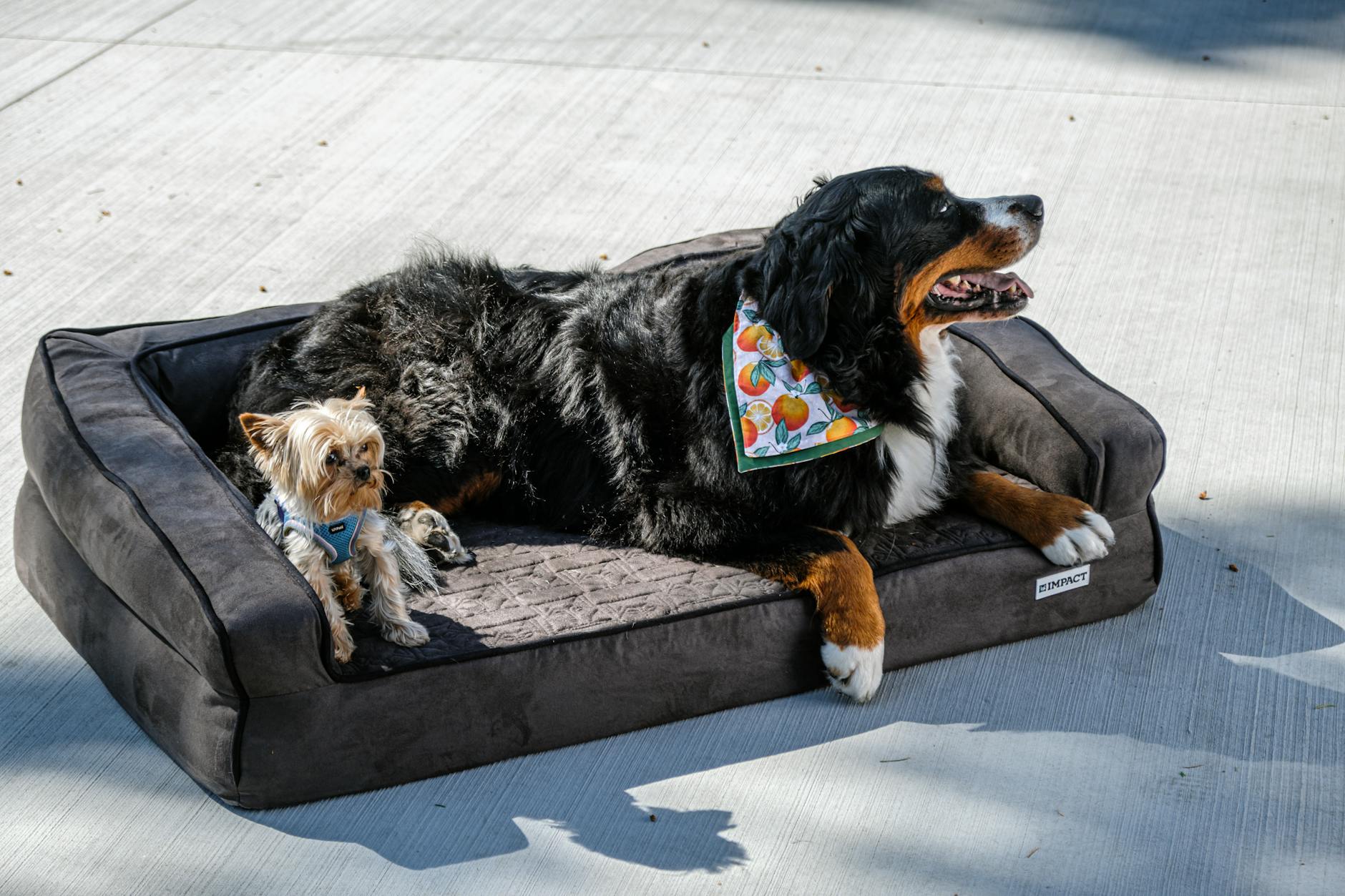
Siberian Huskies, Alaskan Malamutes, Golden Retrievers, Labrador Retrievers, German Shepherds, Border Collies, Corgis, Bernese Mountain Dogs, Chow Chows, Australian Shepherds, and Pomeranians are the breeds owners most commonly search about when the fur starts flying.
Most of these dogs blow coat twice a year. Huskies and Malamutes are in a category of their own — their coats are so dense that a full coat blow can last 3 to 6 weeks of intense shedding, with some owners finding their dog in a near-constant state of moderate shed between the two major peaks.
Single-coated and low-shed breeds
Single-coated breeds — Poodles, Maltese, Bichon Frises, many terrier types — do not blow coat. They shed minimally and gradually year-round, or lose hair through breakage rather than seasonal mass release. If you have a Poodle suddenly losing fur in clumps, that is not coat blowing — that is worth investigating.
Mixed-breed dogs are a wildcard. Owners sometimes do not know what coat type was inherited until the first major shed. If your mixed breed has a dense, fluffy undercoat beneath the outer layer, expect coat blowing.
Spayed and neutered dogs
This surprises many owners: altered dogs often develop thicker, denser undercoats than their intact counterparts. The hormonal changes following spay or neuter can affect coat texture and density, which tends to mean heavier or more prolonged coat blowing. It does not mean something is wrong — it is just worth knowing going in.
Dog Blowing Coat: How Long Does It Last?
Most dogs complete a coat blow in 2 to 4 weeks. Heavy-coated breeds like Huskies, Malamutes, and Bernese Mountain Dogs can take up to 6 weeks for the worst of it to resolve.
Several variables affect that range:
- Breed and coat density: More undercoat means a longer blow.
- Climate and living situation: Outdoor dogs in cold climates often experience more dramatic, defined blows. Indoor dogs in temperature-controlled homes may have a more drawn-out, less intense process.
- How consistently you are brushing: This one matters more than most owners expect.
Here is the key insight: regular brushing actively shortens how long the coat blow feels. Dead undercoat that stays in the dog’s coat will shed on its own schedule — across your couch, your carpet, and your work clothes. Pulling that dead coat out with a deshedding tool front-loads the work but compresses the visible mess into a shorter window. Owners who brush every 1–2 days during a dog blowing coat event often find the worst is over in two weeks rather than four.
How to Manage Dog Shedding During a Coat Blow
Brush frequency during a coat blow
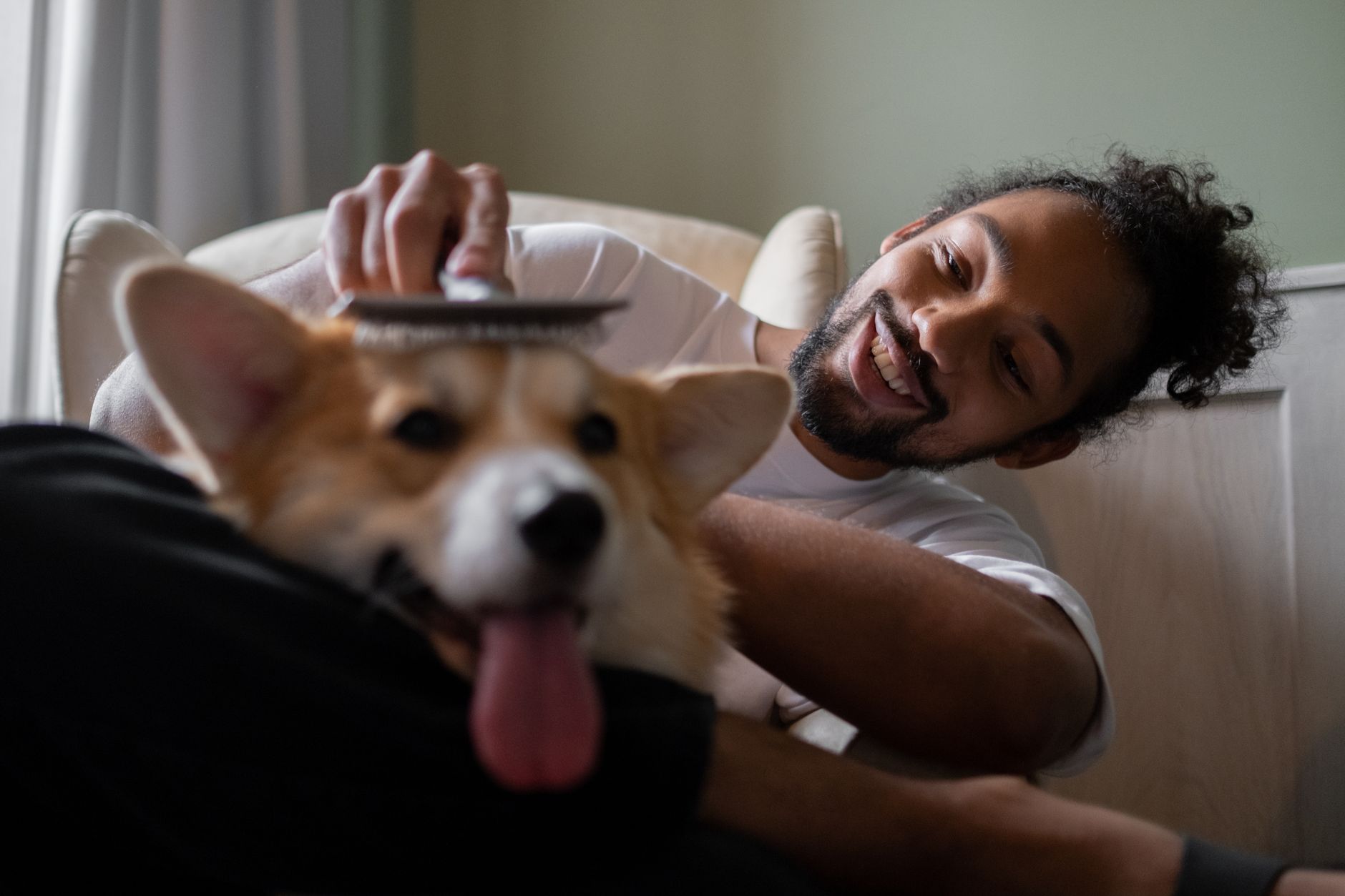
Switch from your usual weekly brushing to every 1–2 days during a blow. Each session removes the dead undercoat before it detaches and embeds in fabric. You will know the blow is wrapping up when brushing produces noticeably less fur and the coat starts to feel tighter and more uniform.
Tools that work — and why
The right tool makes a significant difference during heavy shedding.
- Undercoat rake or deshedding tool: These reach through the topcoat and pull loosened undercoat out before it falls free. A FURminator-style deshedding tool is highly effective during a blow. One caution: do not drag it repeatedly over the same patch — used aggressively on a small area, these tools can damage the topcoat. Work in sections and keep the pressure moderate.
- Slicker brush: Good for follow-up after a deshedding pass. Catches the finer loose fur the rake leaves behind. A self-cleaning slicker brush with retractable bristles makes it easy to clear the collected fur between passes without interrupting your rhythm.
- Pin brushes and bristle brushes: Save these for regular maintenance and topcoat grooming. During a blow, they do not reach the undercoat.
Bathing during a coat blow
A bath loosens dead undercoat and makes subsequent brushing more effective. The critical step is what happens after: the coat must be fully blown dry and brushed out before it is left alone. A wet coat that air-dries unbrushed during a coat blow is a mat waiting to happen.
A deshedding shampoo — formulated to loosen and release undercoat during washing — can increase the volume of fur removed at bath time. If you are unsure whether these products are worth adding to your routine, Do De-Shedding Shampoos Actually Work? What to Use and What to Skip breaks down the evidence and the options. Bathing once or twice during a heavy blow is reasonable. Daily bathing strips the skin’s natural oils and causes dryness without ending the blow any sooner.
Managing the home environment
There is no grooming trick that stops fur from getting on everything during a coat blow. A good lint roller becomes a household essential during these weeks — keep one near the door and one near the couch. Washable dog blankets placed on your dog’s regular furniture spots reduce how much undercoat embeds into upholstery. Vacuum more frequently than you think necessary — loose undercoat that sits on carpet gets ground in quickly.
What to Avoid During Heavy Coat Blowing
Do not shave a double-coated dog
Shaving is the most common mistake owners make during a bad coat blow. It does not reduce shedding. The same volume of fur grows back — just as short, sharp fragments that embed more deeply into fabric.
More importantly, the topcoat and undercoat work as a system. The topcoat blocks UV radiation and insulates in both directions. A shaved dog is more vulnerable to sunburn and less able to regulate body temperature. After shaving, the two layers can grow back at similar rates and blend together, sometimes permanently altering the coat’s texture. In severe cases, the coat may not grow back at all — a condition called post-clipping alopecia.
Do not skip brushing and expect it to resolve
The undercoat will release regardless of whether you brush. Skipping sessions means the fur ends up on your furniture instead of in a brush. Loose undercoat left in the coat can also compress and felt beneath the surface, creating mats that are harder to deal with than the blow itself.
Do not over-bathe hoping it speeds things up
More frequent bathing does not accelerate a coat blow. It dries out the skin and coat, which can cause flaking and irritation without shortening the timeline.
When Heavy Shedding Is Not Normal Coat Blowing
Coat blowing is heavy and sudden — but it should be symmetrical across the body and should not involve visible bald spots, broken-off hair, inflamed skin, or constant scratching.
Watch for these red flags:
- Circular or patchy bald spots with distinct edges — coat blowing thins the coat evenly; it does not create defined bare patches
- Skin that is red, crusty, flaky, or has an odour
- Hair breaking off at the shaft rather than releasing cleanly from the follicle
- Constant scratching, chewing, or rubbing at specific areas
- Heavy shedding in a single-coated breed with no prior history of seasonal blows
If you are seeing any of these alongside heavy fur loss, the issue may not be coat blowing at all. That is when a vet visit is the right next step — not another brushing session.
Frequently Asked Questions
How long does coat blowing last in Huskies?
Huskies typically blow coat for 3 to 6 weeks, sometimes longer. They are among the heaviest shedding breeds. Some owners find their Husky in a near-constant state of moderate shedding, with two intense peaks per year rather than two clean, contained events.
Do indoor dogs blow their coat?
Yes, though the pattern may differ. Indoor dogs exposed to artificial lighting year-round may shed more consistently rather than in two sharp seasonal bursts. Temperature changes still play a role, especially near windows or in homes with seasonal heating changes.
Can I use a leaf blower to speed up coat blowing?
Professional groomers use high-velocity pet dryers to blow loose undercoat out before brushing — this is legitimate and effective. A household leaf blower is too powerful and can be harmful. If you want to replicate this at home, a dedicated dog dryer on a low or medium setting works well.
Does diet affect how much a dog sheds during a coat blow?
Diet does not stop coat blowing — it is hormonally and seasonally triggered. However, a diet adequate in omega-3 fatty acids supports skin and coat health. This can reduce incidental breakage and help the coat release cleanly rather than getting trapped and matting.
My dog blows coat three times a year — is that normal?
Most double-coated dogs blow twice a year. Three times may point to a hormonal irregularity, stress, or a dog that never fully completes one blow before the next cycle begins. It is worth raising at the next routine vet visit — not urgent, but worth logging.
Conclusion
Coat blowing is one of the most dramatic things a double-coated dog does, and it catches a lot of owners off guard the first time. But understanding dog blowing coat — how long it lasts and how to manage it — makes the whole experience far less stressful.
The key takeaways:
- Duration: Most dogs complete a blow in 2–4 weeks; heavy-coated breeds like Huskies may take up to 6 weeks
- Brushing is the biggest lever you have: Every 1–2 days with a proper deshedding tool shortens the visible mess significantly
- Do not shave a double-coated dog — it does not reduce shedding and can permanently affect the coat
- Know the red flags: Bald patches with defined edges, broken-off hair, irritated skin, and constant scratching are not part of a normal coat blow
If you notice anything that looks like patchy or abnormal hair loss during this period, that warrants a closer look — my dog shedding bald patches article covers abnormal coat and skin changes in detail. And once the blow is behind you, a structured brushing and bathing routine by coat type will set you up better for the next season. For more grooming tips be sure to see my home grooming essentials article!