
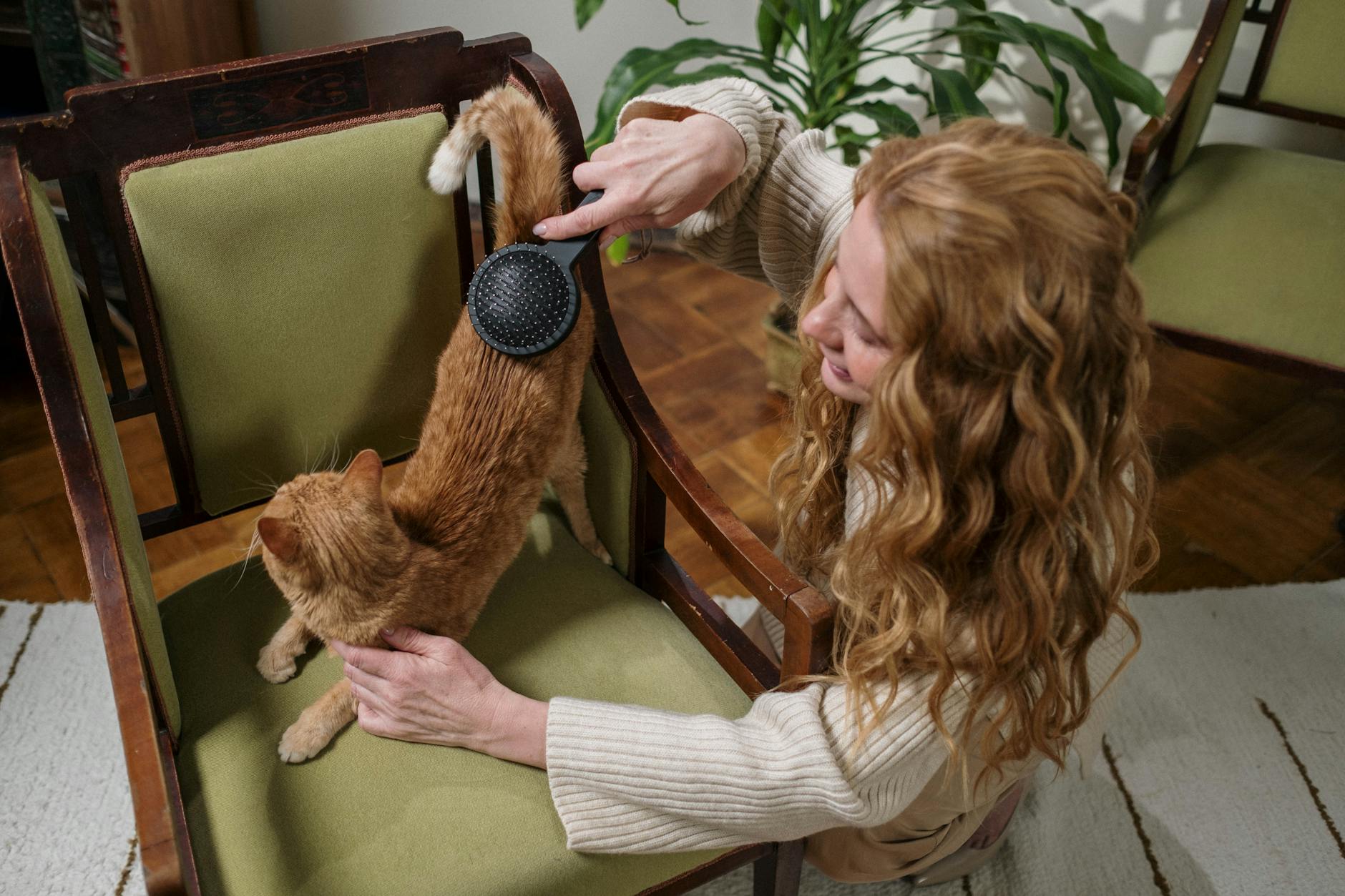
When your dog develops mats, reaching for the wrong tool can make the problem significantly worse. The best dematting tools for dogs are purpose-built — each one designed for a specific coat type and mat density. Using a fine-toothed comb on a packed double-coat mat, for example, won’t break through the tangle. It’ll tighten it, pull at the skin, and make your dog dread being touched. That’s a frustrating outcome when you were just trying to help.
This article compares three distinct categories of dematting tools — combs, rakes, and sprays — across the same criteria so you can match the right tool to your actual dog before spending money on something that won’t work.
Disclosure: This article contains affiliate links. If you purchase through these links, we may earn a small commission at no extra cost to you. As an Amazon Associate, we earn from qualifying purchases.
Why the Wrong Dematting Tool Makes Mats Worse
A mat isn’t just tangled fur — it’s hair that has knotted together and compressed. The structure of a mat determines what kind of tool can work through it. A standard grooming comb drags across the surface of a dense mat and pulls the whole knot tighter. A heavy rake used carelessly on a fine-coated dog can scratch the skin. Neither is helpful.
The three tool categories each approach the problem differently:
- Dematting combs work through mats from the outside in, separating strands
- Dematting rakes penetrate deep into thick or layered coats and cut through mat fibers from the inside
- Dematting sprays reduce friction between tangled hair fibers, making both combs and rakes more effective and less painful for the dog
Throughout this article, I’m evaluating each tool against three criteria:
- Coat type — fine, medium, thick, or double-layer
- Skill level required — how much technique is needed to use the tool safely
Dematting Combs: What They Do Best and When to Use One
A dematting comb looks similar to a standard grooming comb but has key differences. The teeth are wider-spaced, and many models include a serrated or blade edge built into individual teeth. That edge allows the comb to slice through strand-level tangles rather than just pushing through them. Some models use rotating pins, which reduce drag by turning as they move through the coat instead of pulling strands along a fixed tooth.
Best for: Loose, early-stage mats in fine to medium coats. Think silky-coated breeds like Yorkshire Terriers, Maltese, and Cavalier King Charles Spaniels, or wavy single-layer coats like Cocker Spaniels. If you can see daylight through the mat when you lift it, a dematting comb is the right starting point.
Not ideal for: Dense, packed mats or thick double coats. The teeth simply don’t have enough reach or cutting power to get into a compressed mat on a Husky or Golden Retriever.
Features to look for:
- Rotating pins (reduce pulling and coat breakage)
- Tooth spacing matched to coat density — closer teeth for fine coats, wider for medium
- A handle with enough grip so you’re not torquing your wrist during use
Honest limitation: A comb alone will not resolve a dense mat. If you force it, you’ll break hair shafts and cause coat damage without actually clearing the tangle. For light tangles in fine to medium coats, a dematting comb is a practical first tool and one of the best dematting tools for dogs at the early-intervention stage.
Dematting Rakes: The Best Dematting Tool for Thick and Double Coats
A dematting rake uses widely-spaced blade-style teeth — often with safety-rounded tips — to penetrate deep into dense or double-coat layers. Rather than working from the outside in like a comb, a rake gets underneath a mat and cuts through the fibers from the inside, loosening the structure so it can be worked out.
Best for: Thick, packed mats on double-coated or heavy-coated dogs. Retrievers, Huskies, Collies, Bernese Mountain Dogs, and doodles all fall into this category. Rakes are also the right choice when mat coverage is large — a whole flank or the area behind the ears on a heavy-coated dog.
Not ideal for: Fine or short coats. The blade teeth have little coat to buffer them, and in practice they can irritate skin quickly on thin-coated breeds.
Features to look for:
- Blade sharpness — dull blades drag instead of cut
- Tooth count: fewer teeth penetrate deeper into dense mats; more teeth cover more surface area per stroke
- Safety-tip blades so you’re not dragging sharp edges across skin in tight areas
Important note on technique: Rakes require careful handling around sensitive areas — armpits, groin, behind the ears, and anywhere skin folds. These areas mat easily and are also easy to nick. Work slowly, hold skin taut, and use short strokes rather than long sweeping ones. For detailed guidance on working through a mat safely once your tools are ready, see how to remove a mat from dog fur without cutting it out.
Dematting Sprays: Do They Actually Help or Just Add Slip?
Here’s what a dematting spray — also called a detangling spray — actually does: it coats each hair shaft with a lubricating agent, reducing friction between tangled strands. That makes it easier for comb or rake teeth to slide through without dragging, which means less resistance and less pain for the dog.
What it does not do: dissolve a mat, replace combing, or fix a severe tangle on its own. A spray is a prep tool, not a solution.
Best for: Light to moderate tangles, and as a first step before using any comb or rake. Fine, silky, and wavy coats that develop surface knots benefit most. Sprays also work well as a preventive step — applying a leave-in detangling spray to a freshly bathed and dried dog before brushing can prevent mild tangles from tightening into full mats.
Features to look for:
- Leave-in vs. rinse-out: Leave-in formulas are more practical for at-home dematting — you don’t need to re-bathe after applying
- Conditioning ingredients: Look for ingredients like aloe, panthenol, or natural oils — these add slip without drying out the coat
- Avoid alcohol-based formulas: Alcohol dries the hair shaft, which creates more friction over time — the opposite of what you want
- Scent sensitivity: If your dog is reactive to fragrances, an unscented formula is worth seeking out
A good dematting spray used as a prep step genuinely changes the experience — both for you and your dog. The tool moves more smoothly, the dog is less tense, and you’re less likely to cause coat damage from forcing a stubborn tangle.
Combs vs. Rakes vs. Sprays: Which Dematting Tools for Dogs Do You Actually Need?
| Tool | Best Mat Type | Best Coat Type | Skill Level | Used Alone? |
|---|---|---|---|---|
| Dematting Comb | Loose, early-stage | Fine to medium | Low–moderate | Yes, for light tangles |
| Dematting Rake | Dense, packed | Thick, double-coat | Moderate | Yes, with care |
| Dematting Spray | Any | Fine to medium | Low | No — prep tool only |
Most dogs don’t need all three tools. In practice, the effective combination is a spray plus one physical tool:
- Fine or wavy coat (Maltese, Spaniel, Shih Tzu): Dematting spray plus a dematting comb. The spray does most of the heavy lifting on surface knots; the comb works through what remains.
- Thick or double coat (Husky, Golden Retriever, Collie, doodle): Dematting spray plus a dematting rake. The rake handles the depth; the spray keeps the process from being painful.
- Severe or layered matting: Start with the rake to break up the mat structure, apply spray throughout, then finish with the comb to clear remaining tangles. Work in sections rather than trying to tackle the whole mat at once.
If a mat is too dense to work through safely, or if it’s pulled tight to the skin with no give, that’s the point to stop and call a professional groomer. Forced dematting on a skin-level mat can cause mat burn — a raw, irritated patch that needs time to heal before any more grooming.
Choosing the Best Dematting Tools for Dogs by Coat Type
Fine and silky coats (Yorkshire Terriers, Maltese, Silky Terriers) Spray first, always. Use a dematting comb with rotating teeth and light pressure. Avoid rakes — there’s not enough coat depth to buffer the blades.
Wavy and curly coats (Goldendoodles, Labradoodles, Cocker Spaniels) Surface knots respond well to spray plus comb. For deeper mats close to the skin — which doodles are especially prone to — a rake is more effective. Start at the mat’s outer edges and work inward.
Double-coated breeds (Huskies, Golden Retrievers, German Shepherds) The rake is your primary tool. A dematting spray applied before you start keeps the process comfortable. A slicker brush works well as a finishing tool once the mat is cleared, to smooth the top coat and check for anything you missed.
Heavy drop coats (Old English Sheepdogs, Bernese Mountain Dogs, Newfoundlands) These coats mat in dense, layered sections. Use a rake on the dense areas and switch to a comb for finishing and surface work. Spray throughout the process, not just at the start.
One quick note on skin condition: If you lift a mat and see red, irritated skin, open patches, or anything that looks like a wound or hot spots underneath, stop grooming that area immediately. Continuing over broken skin causes pain and can worsen the irritation. Let the area heal and consult your vet if you’re unsure what you’re looking at.
On grooming frequency: The best dematting tools for dogs serve you best when grooming is already happening regularly. Dogs brushed multiple times a week rarely develop dense mats, so a dematting comb and spray may be all you ever need. Dogs that go weeks between brushing sessions are far more likely to need a rake.
Frequently Asked Questions About Dematting Tools for Dogs
Can I use a regular comb to remove a mat?
A regular grooming comb lacks the wider tooth spacing and blade or serrated edges that allow a dematting comb to slice through tangled fibers. Pulling a standard comb through a mat will drag the whole knot tighter, not separate it. It can also cause significant discomfort. For anything beyond the most superficial surface tangle, a purpose-built dematting comb is worth the upgrade.
How do I know if a mat is too bad to fix at home?
A mat that is packed tight to the skin with no gap you can slip a finger beneath, that causes visible pain or flinching when touched, or that covers a large area of the body is likely beyond safe at-home management. Trying to force it out risks mat burn, skin tearing, and a dog that becomes resistant to all future grooming. If you’re in doubt, a professional groomer can assess the mat and advise on whether it can be combed out or needs to be shaved.
Can dematting spray replace brushing?
No. A dematting spray reduces friction between hair strands — it does not untangle them. It’s a prep tool that makes brushing or combing more effective and less painful, not a substitute for it. Regular brushing is the only reliable way to prevent mats from forming.
Should I bathe my dog before or after dematting?
Demat first, then bathe. Water causes mats to swell and tighten as they dry, which makes them significantly harder to work through. If a dog’s coat is already wet and matted, allow it to dry fully before attempting to remove any mats. After dematting, a bath followed by a leave-in detangling spray before the coat dries completely can help prevent new tangles from forming.
Are dematting rakes safe on sensitive skin areas?
Rakes can be used near sensitive areas — armpits, groin, and behind the ears — but they require extra care in these spots. Use short, controlled strokes, hold the skin taut to prevent dragging, and work slowly. The blade-style teeth on a rake have less coat to buffer them in thin-skinned areas, so patience matters more than anywhere else on the body. If the skin is already irritated or there’s a mat sitting directly on the skin surface, stop and let the area heal before continuing.
How often should I use a dematting tool to prevent mats from forming?
That depends on coat type. Fine and wavy coats (Maltese, doodles, spaniels) typically need brushing several times per week, and a dematting comb with spray can be part of each session. Double-coated breeds (Huskies, Retrievers) benefit from weekly or twice-weekly raking during shedding seasons. The best dematting tools for dogs are most effective when used consistently — occasional heavy sessions are harder on the coat and on the dog than shorter, regular maintenance.
What’s the difference between a dematting comb and a deshedding tool?
A dematting comb is designed to work through tangles and mats — its teeth or blade edges cut and separate knotted hair. A deshedding tool, such as an undercoat rake or grooming blade, is designed to remove loose, dead undercoat before it sheds onto furniture or tangles with the top coat. The two serve different purposes. On double-coated dogs, a deshedding tool used regularly can actually help prevent mats from forming by removing the undercoat buildup that mats most easily. They are not interchangeable for active mat removal, however.
Conclusion
The best dematting tools for dogs come down to two factors: how thick and dense the coat is, and how severe the mat has become. A dematting comb handles early-stage tangles in fine to medium coats. A dematting rake is built for the deep, packed mats that form in thick and double coats. A dematting spray makes either tool work better and makes the whole process less stressful for the dog.
Start with the spray. Choose the physical tool based on your dog’s coat type. Work slowly, in sections, and stop if you hit resistance that won’t give — that’s when a professional groomer becomes the right call, not a sign of failure. Most at-home dematting that goes wrong does so because someone pushed past that resistance point. The right dematting tools for dogs matter, but knowing when to stop matters just as much.

Grooming, Care & Gear