Picture this: you’re standing in front of your puppy, treat in hand, and they glance at it, sniff the air, and wander off to investigate a leaf. Or the opposite — they’re so fixated on the treat they’re jumping, spinning, and can’t hear a word you say. Both situations are frustrating. Both usually trace back to the same root cause: the wrong treat for the moment. Finding the best training treats for puppies isn’t about buying the most expensive bag on the shelf. It’s about understanding what makes a reward actually rewarding. By the end of this guide, you’ll know exactly what to reach for, how big to cut it, when to upgrade, and how to keep treats a useful tool rather than a permanent crutch. If your puppy already seems checked out during sessions, Puppy Ignores You During Training: How to Get Focus Back Fast covers the attention side of the equation in full.
Disclosure: This article contains affiliate links. If you purchase through these links, we may earn a small commission at no extra cost to you. As an Amazon Associate, we earn from qualifying purchases.
What Makes a Training Treat Actually Work for Puppies
Before we talk about specific treats, let’s cover what “working” actually means. A treat works if the puppy wants it enough to repeat the behavior that earned it. That’s it. The packaging doesn’t matter. The price doesn’t matter. The puppy’s enthusiasm does.
This is called reinforcement value — and it’s decided entirely by your puppy, not by you.
The Three Factors That Determine Treat Value
Palatability is the biggest one. Puppies are heavily smell-driven. Soft, smelly treats outperform dry, bland ones in most training contexts. A piece of plain kibble doesn’t excite most puppies the way a tiny bit of freeze-dried liver does. The smell alone signals something worth working for.
Novelty matters more than most owners expect. A treat that only appears during training stays valuable. A treat the puppy has access to all day loses its pull quickly. Scarcity creates value.
Timing compatibility is the factor most people overlook. The treat has to reach your puppy within one to two seconds of the correct behavior. If it takes ten seconds to dig it out of a bag or crumble a piece apart, the learning window has closed. Whatever your puppy was doing in that gap is what they think they earned the treat for — usually sniffing the ground or looking away.
What success looks like: Your puppy turns toward you the moment you reach for your treat pouch. That attention is the signal that the value is right.
The Best Training Treats for Puppies by Category
Soft, Commercial Training Treats
These are the backbone of most puppy training — and for good reason. The best training treats for puppies in this category are pre-sized, soft, and designed for exactly this purpose. Soft dog training treats like Zuke’s Mini Naturals or Wellness Soft WellBites are small enough to swallow in a second, smell appealing, and have reasonably clean ingredient lists.
What to look for: soft texture, strong smell, low enough in fat and sodium to use across a full session, and a size that needs no preparation.
One practical tip that makes a big difference: keep your treats in a dedicated treat pouch on your waistband instead of fumbling with a bag. A simple, washable belt pouch keeps rewards accessible and lets you deliver them in under a second. That timing precision is what makes training click.
Freeze-Dried Single-Ingredient Treats
Freeze-dried chicken, beef, liver, or salmon are the go-to for owners who want to know exactly what’s in every reward — one ingredient, nothing else. They’re naturally high-value because of the intense smell.
The other advantage is flexibility. You can crumble a freeze-dried treat to any size. One bag gives you months of training rewards. They work especially well for puppies with sensitive stomachs who react to mixed-ingredient commercial treats.
The tradeoff is cost, but because you break them so small, they stretch a long way.
Real Food Options
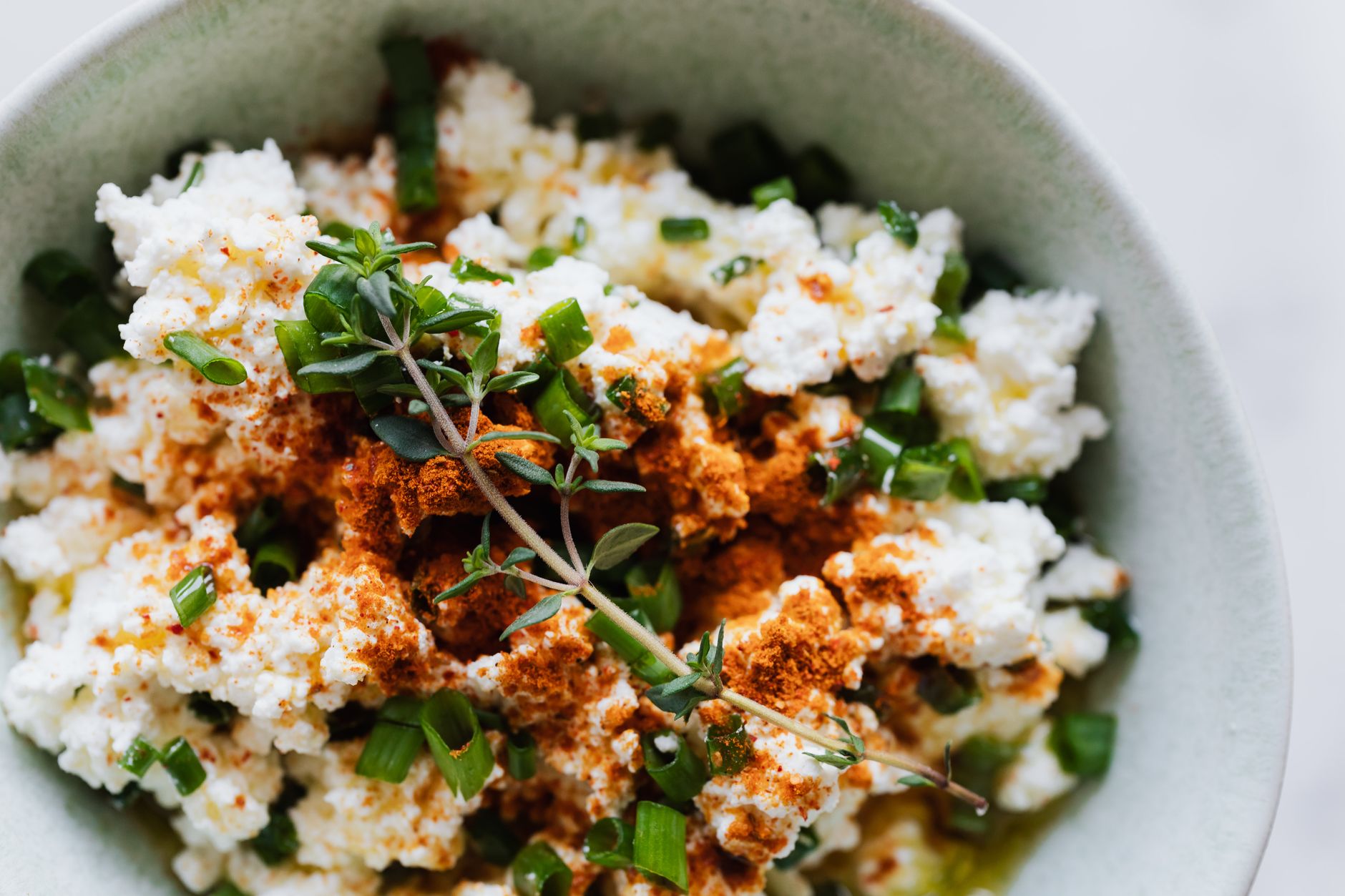
This category often produces the strongest novelty effect, especially in challenging environments where commercial treats stop cutting through distractions. Cooked plain chicken, plain turkey, a small cube of string cheese, or a sliver of hot dog (used sparingly given the salt content) can completely change a puppy’s engagement.
A few practical notes: real food needs to be cut small ahead of time and stored in a zip bag or small container. It also adds to your puppy’s daily caloric intake — it’s extra food, not a replacement for their meals.
Kibble as a Treat
Kibble is situationally useful, not universally effective. If your puppy is highly food-motivated and hasn’t just eaten, their regular kibble can work for easy, already-known behaviors in a low-distraction home environment. It falls apart quickly in harder situations — new environments, competing smells, or anything genuinely challenging. Treat it as a maintenance reinforcer for polished behaviors, not a teaching tool.
Treat Size, Texture, and Timing: Why the Details Matter
Size
The rule of thumb: no bigger than your pinky fingernail. Ideally smaller. The goal of a training treat is a quick burst of motivation, not a satisfying snack. Large treats slow sessions down and fill your puppy up before you’ve gotten through ten repetitions. They also shift attention inward toward chewing rather than outward toward you.
A good training session might involve 40 to 60 rewards. At that volume, size determines whether the session is even sustainable from a calorie standpoint.
Texture
Soft wins over crunchy during training, every time. A crunchy biscuit requires chewing. That takes several seconds and pulls your puppy’s focus away from you. A soft treat is swallowed in under a second. Your puppy’s eyes come back to your face, ready for the next cue.
Timing
The treat needs to land within one to two seconds of the correct behavior. After that, you’re rewarding whatever came next. This is where a timing tool helps. A dog training clicker or a verbal marker word like “yes” lets you mark the exact moment your puppy does the right thing, even if the treat takes another second to arrive. The marker bridges the gap. If you’re not already using one, a basic training clicker is a simple, inexpensive addition that makes your rewards much clearer.
Treats to Avoid During Puppy Training (and Why They Backfire)
- Hard biscuits and cookies — too slow to eat, which destroys timing precision
- Treats with artificial dyes and heavy artificial flavoring — no training benefit, and unnecessary ingredients for a puppy eating dozens per session
- Rawhide or long-lasting chews — these are enrichment tools, not training rewards; they redirect attention completely
- Anything containing xylitol — this artificial sweetener is toxic to dogs; always read ingredient labels, especially on anything marketed to humans
- Treats your puppy is indifferent to — if they sniff and walk away, that treat has no reinforcement value regardless of what the package says
- Regular meal kibble given right after a full meal — a satiated puppy is a hard puppy to motivate
How to Use Training Treats Without Creating a Treat-Dependent Puppy
This is the worry I hear most often from new owners. Treats don’t create dependency — luring past its useful window does.
The Difference Between Luring and Rewarding
Luring means guiding your puppy into position with a treat held in your hand. It’s a valid starting point for teaching something new. But it should be faded within three to five repetitions. Move to an empty hand signal and deliver the reward from your pouch after the behavior happens. Most treat dependency comes from owners who stay in the luring phase too long. The puppy learns to follow the treat, not to respond to a cue. Understanding Why Positive Reinforcement Works Better Than Corrections for Puppies (With Real Examples) can help you build a stronger foundation for this reward-based approach.
Reward after the behavior. Lure only to introduce it. For a full walkthrough of teaching specific behaviors this way, How to Teach a Puppy Sit, Stay, and Come — In the Right Order walks through the whole sequence.
If you want to handle behavior issues without falling back on punishment, Dog Behavior Problems and How to Solve Them Without Punishment is a useful companion read.
Variable Reinforcement After the Behavior Is Learned
Once a behavior is solid on cue, you don’t need to reward every single repetition. Shift to a variable schedule — rewarding roughly seven out of ten correct responses, unpredictably. This actually makes the behavior more durable. The puppy keeps offering it because a reward might come. Unpredictability maintains engagement better than certainty does.
Real-Life Rewards as Substitutes
Once your puppy understands the training system, non-food rewards carry real value too. A round of tug, a sniff break, being released through a door, getting to greet someone — all of these work as rewards. Treats build the initial value, but the system generalizes. Treats are one piece of the puzzle — if you’re also working through nipping, Puppy Won’t Stop Biting No Matter What You Try covers the full picture.
Adjusting Treat Value Based on Difficulty and Distraction
The best training treats for puppies aren’t always the same treat. Think of your selection as a hierarchy — different levels for different situations.
Low-Distraction, Easy Behaviors
Kibble, plain commercial treats, or verbal praise alone. Your puppy can succeed here with minimal motivation. Save your best treats for harder moments.
Moderate Difficulty or New Behaviors
Soft commercial training treats. This is your everyday workhorse for learning something new or practicing in a mildly distracting setting. Most puppy treat rewards training happens at this level.
High Distraction or Hard Behaviors
Real food — cooked chicken, string cheese, freeze-dried liver. Reserve these for recall in a busy park, working near other dogs, or anything the puppy finds genuinely challenging. Using high value puppy training treats too casually burns through their novelty fast.
What success looks like: Your puppy’s engagement scales with the difficulty of the task. If focus drops in a challenging environment, the first diagnostic question is whether you brought a high enough value treat.
When engagement drops in a harder environment, don’t ask “why isn’t my puppy listening?” Ask “did I bring the right treats for this situation?”
Conclusion
The framework for choosing the best training treats for puppies comes down to a few clear principles. Treat value is decided by your puppy, not the packaging. Soft and smelly outperforms hard and bland in nearly every training context. Size and texture directly affect timing precision, and timing is everything in early learning. Treats become a crutch only when owners stay in the luring phase too long. Match treat value to the difficulty of the environment — low-stakes treats for easy situations, high value puppy training treats for hard ones — and your sessions will stay productive as the world gets more distracting. Get these basics right from the start, and training becomes a lot less frustrating for both of you.
Frequently Asked Questions
Can I use my puppy’s regular kibble as training treats?
Yes, but only in the right conditions. Kibble works for easy, already-known behaviors in a low-distraction home environment — especially if your puppy is hungry. It loses effectiveness in new environments or when teaching something genuinely challenging. Think of it as a low-value option on your treat hierarchy, not a default choice.
How many training treats can I give a puppy per day without overfeeding?
A common guideline is to keep treats at or below 10% of your puppy’s daily caloric intake. For small training treats, that’s usually more repetitions than you’ll need in a session. If you’re doing multiple sessions daily, reduce the kibble portion at meals slightly to compensate. Your vet can give you a specific calorie target for your puppy’s size and age.
My puppy isn’t food motivated — what do I do?
First, check whether they’re being trained while full. Hunger increases motivation significantly. Second, try upgrading to higher-value options like real chicken or freeze-dried liver before concluding they’re not food motivated. If food genuinely doesn’t work, shift to play or toy rewards — a short tug session can be just as reinforcing as a treat for the right puppy.
Are training treats safe for puppies under 12 weeks?
Most soft, small commercial training treats are safe for young puppies, but check the age recommendation on the label. For very young puppies, small pieces of their regular kibble or puppy-appropriate soft food are the safest starting point. Avoid anything high in sodium, artificial additives, or with ingredients not suitable for puppies. When in doubt, ask your vet.
What’s the difference between a training treat and a regular treat?
Training treats are designed for high-volume use in short sessions. They’re small, soft, quick to eat, and low enough in calories that you can give dozens without overfeeding. Regular treats are often larger, harder, and meant to be given one or two at a time. Using regular treats for training slows sessions down and adds up calorically fast.
Can I use human food like chicken or cheese for puppy training?
Yes — plain cooked chicken, plain turkey, and small cubes of string cheese are excellent high value puppy training treats. Avoid anything seasoned, salted, or cooked with onions or garlic. Cheese and hot dogs are fine in small amounts but are high in fat and sodium, so use them sparingly. Always account for the extra calories in your puppy’s daily food intake.
How do I know if a treat is too big for a training reward?
If your puppy has to chew it for more than one or two seconds, it’s too big. The treat should be swallowed almost immediately so your puppy’s attention returns to you fast. A good size reference: no larger than your pinky fingernail, and ideally smaller. Pre-cut treats before your session so you’re not fumbling with sizing mid-training.
When should I stop using treats in training?
You don’t have to stop entirely — but you should shift how you use them. Once a behavior is reliable on cue, move to a variable reward schedule instead of treating every repetition. Gradually introduce real-life rewards like play, praise, and access to things your puppy wants. Treats become one option among many rather than the only motivator. The goal is a puppy that responds because the behavior has been reinforced consistently — not one that only performs when they can see a treat in your hand.

Dog Behavior & Training