
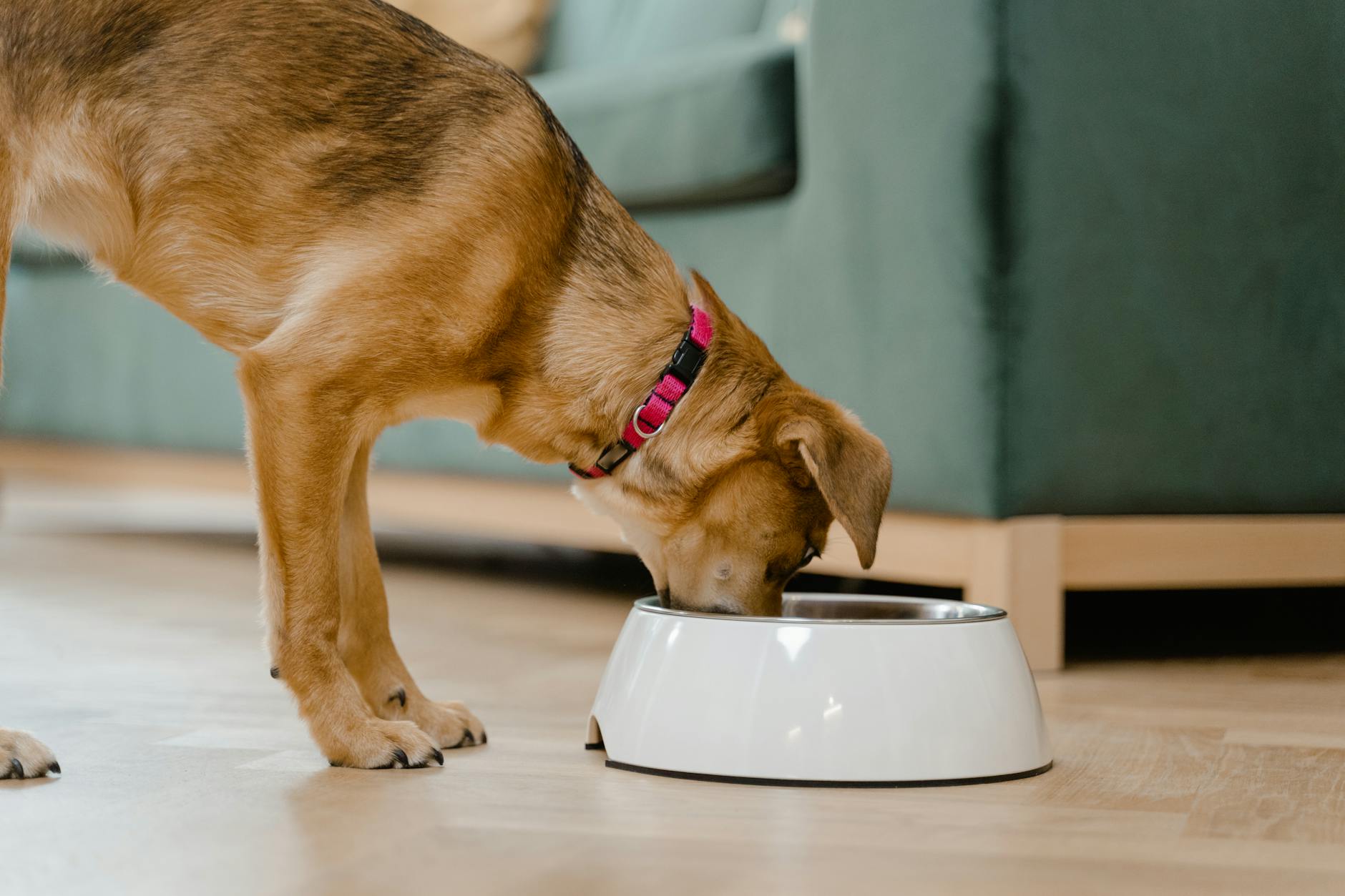
Your vet said “he needs to lose some weight” and now you’re standing in the pet food aisle staring at bags that all say things like “healthy weight,” “light,” or “trim.” The problem is that the best low calorie dog food for weight loss isn’t always easy to spot from the front of the bag. Some of those “weight management” formulas aren’t meaningfully different from regular adult food. This guide walks you through what to check on the label, which buyer profiles map to which formulas, and when switching foods isn’t even the right move.
Disclosure: This article contains affiliate links. If you purchase through these links, we may earn a small commission at no extra cost to you. As an Amazon Associate, we earn from qualifying purchases.
What Makes a Dog Food Genuinely Low Calorie — and What’s Just Marketing
The number that matters is kcal ME per cup (kilocalories of metabolizable energy — the calories your dog actually absorbs). The terms “light,” “lean,” and “reduced calorie” on dog food labels are loosely regulated in the U.S. A bag can say “weight management” without meeting any specific calorie threshold.
A genuine low calorie dog food for weight loss typically runs 280–320 kcal/cup. Standard adult maintenance kibble usually sits between 350–420 kcal/cup. That gap matters when you’re trying to create a caloric deficit without leaving your dog staring at a nearly empty bowl.
Manufacturers reduce calories in a few ways:
- More dietary fiber — keeps dogs feeling fuller without adding significant calories
- Less fat — fat is the most calorie-dense macronutrient (9 kcal/gram vs. 4 for protein or carbs)
- Higher moisture content (in wet formulas) — adds bulk and volume with minimal calories
The marketing trap to watch for: some “weight management” formulas simply adjust the protein-to-fat ratio without lowering calorie density. The bag looks purposeful. The calories are essentially the same.
Where to find the actual number: look at the back of the bag under “Nutritional Information” or check the brand’s website product page. If a brand doesn’t publish kcal/cup anywhere, that’s a reason to pause before you buy.
Key Specs to Check Before Buying Any Low Calorie Dog Food
Run through these before committing to any reduced calorie dog food. Brand name is secondary to what’s actually in the bag.
Caloric Density
- Target for kibble: under 330 kcal/cup
- Target for wet/canned food: under 30 kcal/oz
- Very low-calorie kibble (under 260 kcal/cup) often sacrifices protein quality to hit that number. Lower isn’t always better.
Protein Content
Dogs losing weight need to preserve muscle mass. Low protein means your dog may lose muscle along with fat. That slows metabolism and affects long-term health.
- Look for at least 25–30% protein on a dry matter basis (DMB)
- The first ingredient should be a named meat source: chicken, turkey, or salmon
- Avoid formulas where “poultry meal” is the only protein listed
Dry matter conversion: if the guaranteed analysis shows 28% protein and 10% moisture, the calculation is: 28 ÷ (100 − 10) × 100 = 31.1% DMB. Subtract the moisture percentage from 100, then divide the nutrient percentage by that number and multiply by 100.
Fiber and Fat
High fiber (10–12%+ DMB) helps dogs feel full at smaller caloric intakes. Look for whole vegetables, beet pulp, or pea fiber. Ground corn hull can serve as filler without delivering much nutritional benefit.
Single-digit fat percentage DMB is typical for weight management formulas. If fat drops too low, watch for dry skin or increased shedding after a few weeks. Those are signs the formula may be short on essential fatty acids.
Ingredient Quality Signal
The first three ingredients tell you what this food is mostly made of. By-products aren’t automatically bad — chicken by-product meal is a concentrated protein source. The concern is when vague by-products dominate the top of the list with no named protein in sight.
Best Low Calorie Dog Food for Weight Loss — Brand Recommendations by Dog Type
The right answer depends on your dog’s situation. Here are reliable options grouped by buyer profile.
For Most Overweight Dogs: Reliable Mid-Range Options
These are the workhorses of the weight management dog food category. They’re well-researched, widely recommended by vets, and available at most pet stores and online.
Hill’s Science Diet Perfect Weight is one of the most commonly recommended options. It runs around 291 kcal/cup, maintains a solid protein level, and Hill’s has clinical data behind the formula. Hill’s Metabolic is a step up — it’s prescription-level and requires a vet sign-off, but it’s worth asking about if your dog has struggled to lose weight on standard diet food.
Purina Pro Plan Weight Management is a strong mid-range pick with a good protein profile and consistent quality. It’s widely available and tends to be accepted well by picky dogs.
Royal Canin Satiety Support is formulated specifically for appetite management. The fiber profile is notably high. It works well for dogs who seem perpetually hungry regardless of how much they eat. It’s available without a prescription but sits at a higher price point.
For Dogs with Food Sensitivities Who Also Need to Lose Weight
This is a harder combination. Most limited ingredient diet (LID) foods are not low calorie. They’re formulated to eliminate allergens, not reduce energy density.
If your dog has confirmed allergies and also needs to lose weight, talk to your vet before picking a formula independently. These goals can conflict, and getting it wrong means your dog either isn’t losing weight or is reacting to ingredients.
For a dehydrated whole-food option with a simpler ingredient list, some owners in this situation use The Honest Kitchen’s whole grain Turkey formula. It tends to be lower calorie than dense raw or freeze-dried raw food formats. Always verify the current kcal/cup on the brand’s website before committing — formulas change, and the number matters.
For Dogs Who Eat Wet Food or Resist Portion Reductions
Wet food is a legitimate weight-loss tool. A high-quality wet weight management food can be very low calorie per ounce while delivering real volume. That helps food-motivated dogs feel less deprived.
Purina Pro Plan FOCUS Weight Management canned and Hill’s Science Diet Adult Perfect Weight wet are both solid options. The key watch-out: owners often underestimate how much wet food is needed to meet daily caloric targets. Do the math before assuming canned food alone will do the job.
For Dogs Who Inhale Their Food Regardless of Portion Size
If your dog eats so fast that reduced portions leave them acting frantic, the issue isn’t just caloric — it’s behavioral around food. A slow feeder bowl forces your dog to work around ridges or obstacles to reach kibble. It slows intake and gives satiety hormones time to catch up with stomach fullness.
A puzzle feeder turns mealtime into a mental exercise that extends the eating experience without changing the calorie count. Both tools are also useful in multi-dog households where the overweight dog sneaks the other dog’s food. Separate feeding stations with a puzzle feeder for each dog makes per-dog intake much easier to control.
Weight Management Dog Food vs. Feeding Less Regular Food — Which Works Better?
Half the people reading this are wondering whether they need to buy anything new at all. That’s a fair question.
Feeding less of your dog’s current food can work. It works best when your dog is only mildly overweight, you’re precise with measuring, and treats are already accounted for. A standard measuring cup can be off by 20–30% depending on kibble size and how it settles. A digital kitchen scale is more reliable.
Where dedicated low calorie dog food wins: portion sizes stay more satisfying. Your dog isn’t staring at a noticeably smaller bowl because fiber and moisture create more physical volume per calorie. For most owners, this is the easier path. Less precision required. Less hungry dog to manage.
The hybrid approach works well too. Switch to a low calorie dog food for weight loss as your base, and cut treats to under 10% of daily caloric intake. If you’re not sure how much your dog is actually consuming across all sources — meals, treats, scraps, training rewards — the article on signs of overfeeding and how to do a full calorie audit is worth working through before buying anything new.
Common Mistakes When Switching to a Low Calorie Diet Dog Food
Switching food too fast. Digestive upset is common with any food change. Transition over 7–10 days by mixing increasing amounts of the new food into the old.
Using the bag’s feeding guide without adjustment. Feeding guides are often generous. They’re also based on current body weight. If your dog needs to reach 45 lbs but weighs 60, feeding for 60 lbs won’t create a deficit.
Ignoring treats. A best diet dog food with a generous daily treat habit can cancel the caloric deficit entirely. High-value soft dog training treats can be 10–30 kcal each. They add up quickly.
Assuming grain-free means lower calorie. It doesn’t. Grain-free formulas often replace grain carbohydrates with legumes like peas and lentils, which have similar calorie density. There are also unresolved questions about grain-free diets and dilated cardiomyopathy (DCM) in some dog populations. It’s not a proven causal link, but it’s a reason not to choose grain-free specifically for weight loss.
Expecting fast results. Healthy dog weight loss runs at roughly 1–2% of body weight per month. A 70 lb dog losing weight at a healthy rate drops about 0.7–1.4 lbs per month. Impatience drives over-restriction. Over-restriction causes muscle loss and nutritional deficiencies.
Multi-dog households. The overweight dog eating the other dog’s food is a common problem. Separate feeding stations and puzzle feeders make per-dog calorie control much more manageable.
How to Tell If the Low Calorie Dog Food Is Actually Working
Weigh your dog every 2–3 weeks. Use the same time of day and the same scale. Don’t rely on eyeballing it — small weight changes are easy to miss.
Use body condition score (BCS) as a physical check. You should be able to feel your dog’s ribs without pressing hard, but not see them from across the room. For a full walkthrough of how to assess BCS at home, see the signs of overfeeding article.
Signs the food is working: gradual, consistent weight decline; ribs becoming slightly easier to feel; some dogs show improved energy as joints carry less load. If your dog is also showing limping or gait changes, that article covers when those symptoms need a vet visit.
Signs something needs adjustment:
- No change after 6 weeks → revisit total calorie intake including treats. Double-check portion size against target weight, not current weight.
- Rapid loss (more than 2% body weight per week) → loosen restriction slightly to protect muscle.
- Persistent hunger, coat changes, or lethargy → check protein and fat ratios in the formula. The food may be too low in either.
When to call your vet: if your dog isn’t losing weight despite a genuine calorie deficit for more than 6–8 weeks, it’s worth ruling out hypothyroidism or other metabolic conditions. In most cases it’s a portion or treat issue. But if you’ve genuinely tightened everything and the scale isn’t moving, that changes things.
For senior dogs carrying extra weight, joint support matters alongside diet. The guide to best dog beds for senior dogs covers orthopedic options worth considering while your dog is working toward a healthier weight.
Frequently Asked Questions
How many calories should an overweight dog eat per day? A rough starting point is 70–80% of the calories needed to maintain your dog’s target weight (not current weight). Your vet can calculate a specific number based on your dog’s ideal body weight and activity level. For most overweight dogs, this works out to 20–30% fewer calories than they’re currently eating.
Can I mix low calorie dog food with regular food? Yes, and it’s often recommended during the transition period to avoid digestive upset. Mix increasing amounts of the low calorie food over 7–10 days. Long-term, mixing a low calorie base with a small amount of your dog’s previous food is fine as long as you’re tracking total kcal from both.
Is grain-free food lower in calories for dogs? No. Grain-free formulas typically replace grains with legumes or potatoes, which have similar calorie density. Grain-free is not a weight loss strategy, and there are unresolved questions about its link to DCM in some breeds. Don’t choose grain-free as a substitute for choosing a genuinely low calorie dog food for weight loss.
How long does it take for a dog to lose weight on diet food? At a healthy rate of 1–2% of body weight per month, a 60 lb dog might lose 0.6–1.2 lbs per month. Visible results typically take 2–3 months. Patience matters — over-restricting to speed things up causes muscle loss, not just fat loss.
What treats can I give a dog on a low calorie diet? Low-calorie options include plain baby carrots, blueberries, cucumber slices, and commercial treats specifically formulated for weight management. Keep total treat calories under 10% of daily intake. If your dog gets a lot of training treats, account for every one.
Is wet food better than dry food for dog weight loss? Wet food can be effective because high moisture content adds volume with few calories. The challenge is that owners often underestimate how much is needed to meet daily targets. Wet food works well for dogs who need palatability or resist small dry portions — just measure carefully.
Do low calorie dog foods have enough protein? The best low calorie dog food brands for weight loss are formulated to maintain adequate protein. Aim for at least 25–30% on a dry matter basis. Very cheap reduced calorie foods sometimes cut protein along with fat — check the label before buying.
Should I feed my dog less or switch to a diet food? If your dog is only slightly overweight, feeding less of the current food can work — provided you measure precisely and account for treats. For most overweight dogs, switching to a dedicated low calorie dog food for weight loss is easier to manage and keeps hunger more under control. The signs of overfeeding article can help you figure out which situation applies to your dog.
The Bottom Line: Matching the Right Low Calorie Dog Food to Your Dog
- Moderately overweight dog, no sensitivities → Hill’s Science Diet Perfect Weight or Purina Pro Plan Weight Management. Either is a solid, well-supported choice for best low calorie dog food for weight loss.
- Dog who won’t accept small portions or needs palatability → switch to a quality wet weight management formula (Purina Pro Plan FOCUS or Hill’s Perfect Weight wet) and measure volume carefully.
- Dog with food allergies who also needs to lose weight → don’t self-select a formula trying to solve both problems at once. Talk to your vet; these goals need to be balanced deliberately.
- Dog who eats too fast or sneaks food → add a slow feeder bowl or puzzle feeder before assuming a food change will solve everything.
- Slightly overweight dog with no other issues → reduce portions on current food, account for every treat, and reassess in 6 weeks before spending money on a new formula. A kitchen scale is your most useful purchase here.
The food itself matters less than the consistency of how you’re feeding. But if you’re going to make a switch, make it an informed one.

Dog Health & Nutrition