By Lisa Park
Disclosure: This article contains affiliate links. If you purchase through these links, we may earn a small commission at no extra cost to you. As an Amazon Associate, we earn from qualifying purchases.
Use this road trip packing list for dogs any time you’re taking a car trip longer than a few hours — or any overnight trip away from home. It’s organized by category so you can move through it before you load the car. Dogs who travel regularly will get through this in ten minutes. First-timers should read the brief notes under each section. A few items require advance prep and can’t be grabbed last-minute.
This road trip packing list for dogs separates everyday gear you already own (bring it) from travel-specific items worth picking up before you go. Not every dog needs every item — I’ve noted where size, temperament, or trip length changes what you actually need.
The Complete Road Trip Packing List for Dogs (Organized by Category)
Here’s your master checklist in one place. Each section below expands on items that need a little more context — specifically where skipping the explanation could lead to a packing mistake. Use the headers to jump to any category you want to think through more carefully.
Safety Gear Your Dog Needs in the Car
This section comes first because these items affect what happens in a crash or hard stop. Not comfort. Not convenience.
- [ ] Crash-tested travel harness or secured travel crate — an unrestrained dog in a crash becomes a projectile. A regular walking harness is not designed for vehicle impact.
- [ ] Seat belt tether or crate anchor — only useful if it’s attached to a crash-rated harness or a properly secured crate
- [ ] Window shade or sun visor for rear windows — overheating risk is real in direct sun, especially for flat-faced breeds like bulldogs and pugs
- [ ] Back seat cover or barrier (if dog rides in the back unsecured) — not a safety substitute for a harness, but reduces driver distraction and prevents a dog from falling into the footwell on sudden stops
- [ ] ID tag with current phone number — check that the engraving is still readable; lost-dog risk goes up significantly on road trips
- [ ] Microchip registration verified — confirm your contact details are current in the registry, not just that the chip exists
On crash-tested harnesses: A no-pull walking harness is not the same thing. Look for harnesses that have passed independent sled-test safety standards. They’re bulkier than walking harnesses, but they’re the actual safety tool here. If your dog travels in a crate, the crate needs to be anchored. Sliding around in the cargo area does not count as secured.
Food, Water, and Feeding Supplies for Dog Road Trips
- [ ] Enough food for the full trip plus two extra days — detours, delays, and remote locations make overpacking food the right call
- [ ] Food in original bag or a labeled container — useful if your dog ingests something and you need to check ingredients quickly
- [ ] Two travel bowls — one for food, one for water; silicone collapsible bowls pack flat and are easy to rinse
- [ ] Spill-proof travel water bowl or no-spill dispenser — a standard bowl in a moving car slides and spills; a lick-top travel bottle or weighted no-spill bowl solves this without a wet seat
- [ ] One gallon of water from home for the first day — tap water varies by region; some dogs have sensitive stomachs that react to the change; refill with local water after day one
- [ ] High-value treats — useful for rewarding calm behavior at rest stops, re-calling a spooked dog in a parking lot, and managing mild car anxiety
- [ ] Slow feeder bowl if your dog eats fast — travel disrupts routine; some dogs gulp food faster under stress; this reduces vomiting risk
Feed your dog two to three hours before a long drive when possible. Some dogs experience motion sickness. If yours has a history of it, talk to your vet before the trip — not at a rest stop three hours from home.
Comfort and Sleep Gear Worth Packing
- [ ] Dog’s existing bed or a familiar blanket — familiarity reduces anxiety in new environments; bring what they already sleep on if it’s practical to pack
- ] [Travel crate or portable pen (for crate-trained dogs) — provides a known safe space in hotels, at campsites, or in unfamiliar rooms
- [ ] Extra waterproof blanket or liner — many pet-friendly hotels restrict dogs from furniture; a blanket creates an approved surface and reduces cleanup at checkout
- [ ] Dog’s usual sleep toy or comfort item — consistent scent cues help dogs settle in unfamiliar rooms
- [ ] Thundershirt or anxiety wrap (for travel-anxious dogs) — pack this proactively and put it on before the trip starts, not after the dog is already wound up
For most dogs, something from home beats anything labeled “travel.” There are two exceptions worth noting. First, if you’re traveling with a senior dog who already has joint issues, a familiar but unsupportive bed may not be enough for overnight comfort. A portable orthopedic option might be worth the extra weight — see our guide to Best Dog Beds for Senior Dogs With Joint Pain for what to look for. Second, if your dog destroys bedding in new or stressful environments, check out Best Dog Beds for Dogs That Chew or Destroy Bedding before you pack anything you’d be upset about losing.
Health, Hygiene, and Emergency Supplies
These are the things you hope you won’t need. Pack them anyway.
Documents and ID
- [ ] Vaccination records (especially rabies certificate) — required at most pet-friendly hotels and many boarding facilities; keep a paper copy and a photo on your phone
- [ ] Nearest emergency vet at your destination — look this up before you leave, not when you need it at midnight
- [ ] Copy of any prescriptions or medication labels
- [ ] Recent photo of your dog on your phone — essential if they go missing
Medications and Health
- [ ] All prescription medications with enough supply for the full trip plus buffer days
- [ ] Flea and tick prevention (applied or packed if due during trip) — exposure risk increases in new outdoor environments
- [ ] Dog-safe wound wash or antiseptic wipes — minor cuts at rest stops and on trails are common
- [ ] Antihistamine dosage reference (discuss with your vet before the trip if your dog has any allergy history)
Hygiene and Cleanup
- [ ] Waste bags — pack more than you think; a full roll per day is a reasonable estimate
- [ ] Paper towels and a small spray bottle of pet stain and odor remover — for car accidents and hotel incidents
- [ ] Dog towel (separate from your own) — wet-dog smell in a closed car is miserable; microfiber dries fastest
- [ ] Baby wipes or dog grooming wipes — for muddy paws, dirty faces, and post-swim cleanup when a full bath isn’t happening
- [ ] Nail file or quick file strip (optional) — cracked nails happen on unfamiliar terrain; this is a fix-on-the-go item, not a full grooming kit
If your dog is overdue for a nail trim, handle it before you leave. Long or cracked nails on rough terrain are uncomfortable and can catch and tear. A sturdy pair of dog nail clippers makes quick work of it at home before you pack. See Clippers vs. Grinders for Dog Nails if you’re not sure which tool to use at home before the trip.
Don’t pack a full first aid kit unless you know how to use it. A few targeted items — wound wash, grooming wipes, waste bags — are more useful than a kit that never gets opened.
What Most Dog Road Trip Checklists Leave Out
These are the gaps between common packing lists and what actually comes up on real trips.
- [ ] A backup collar with ID tag — collars come off; a second one takes up almost no space and has saved more than a few road trips
- [ ] Proof of flea/tick treatment — some campgrounds and pet-friendly lodging ask for this, not just vaccination records
- [ ] Your regular vet’s phone number saved as a contact — urgent care facilities on the road may ask for medical history; don’t hunt for the number when you’re stressed
- [ ] Non-spill water solution specifically for the moving car — most dog road trip checklists say “water bowl” without noting that a standard bowl in a moving vehicle just spills; a lick-top travel bottle or a weighted no-spill dispenser is what you actually need
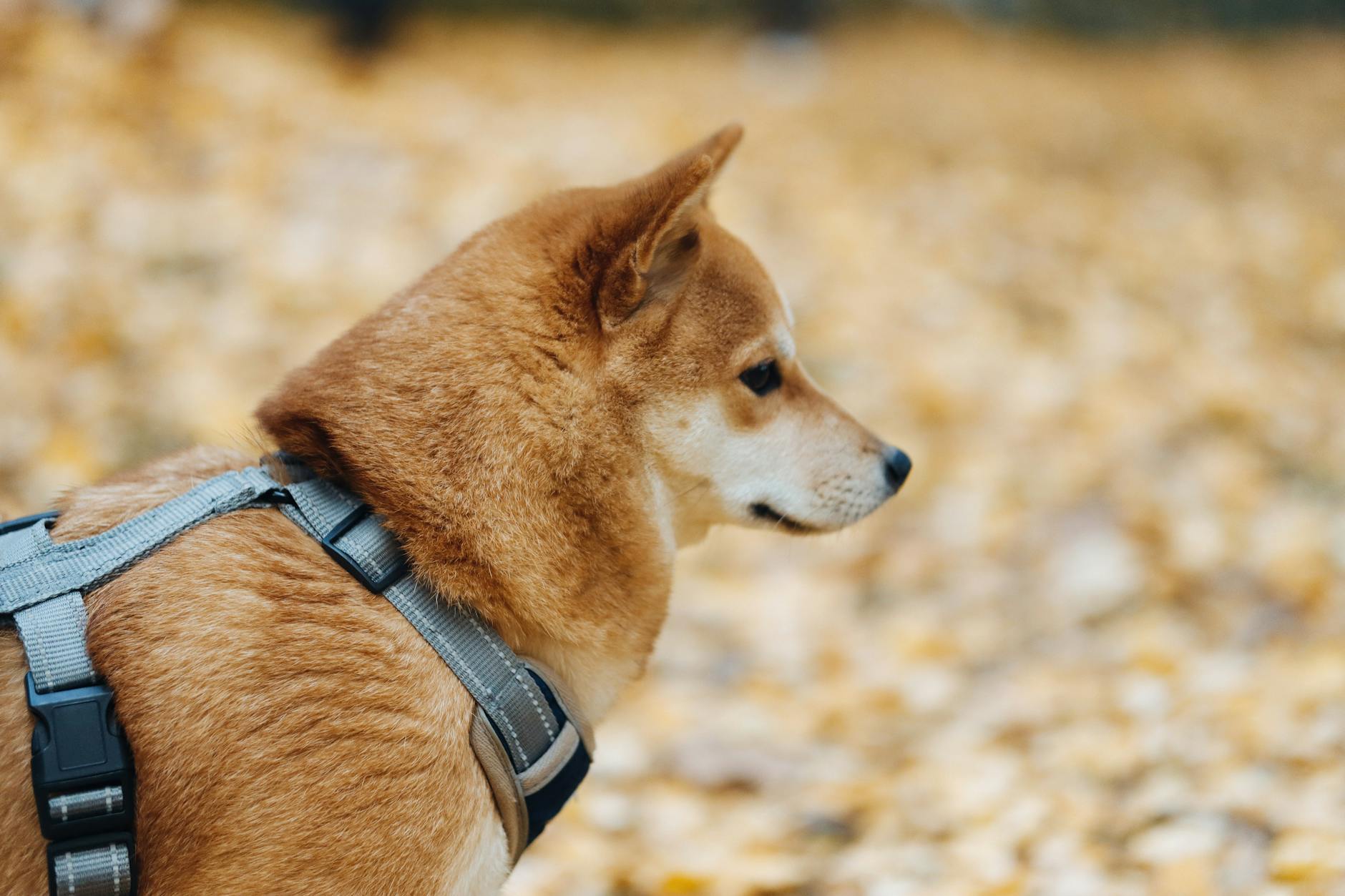
- ] A versatile [everyday dog harness for rest stops and hikes — separate from any crash-tested travel harness; useful for stretch breaks, trail walks, and anywhere you need a reliable clip point without switching gear
- [ ] Lint roller (travel size) — pet hair on hotel bedding generates complaints and sometimes cleaning charges; use it before checkout
- [ ] Calming supplement (for mildly anxious travelers) — test it at home before the trip; giving your dog something for the first time on departure morning is not the moment to find out it causes an upset stomach
- [ ] A reliable short cue your dog responds to — this isn’t gear, but a dog with a solid recall and a down-stay is genuinely safer in parking lots and rest stops than any equipment substitution
The backup collar and the lint roller are the two items most people wish they’d thrown in. They’re cheap, they weigh nothing, and you’ll be glad they’re there.
What to Do Once You’ve Packed
The night before, not the morning of. Run this road trip packing list for dogs the evening before departure. Rushed morning packing leads to skipped items.
Test gear function before loading. Confirm the harness still fits your dog. Check that the crate door latches cleanly. Make sure the travel water bottle doesn’t leak. Finding a broken latch in your driveway is much better than finding it at a rest stop three states away.
Attach the restraint before you start the engine. Treat it like a seatbelt. The harness clip or crate anchor should be connected before the car moves, every single time.
After the trip, update your list. Note anything you wished you’d packed. Note anything you brought but never touched. Update your personal dog travel essentials checklist before the next trip while it’s still fresh.
If this is your dog’s first long car trip: Do a short 30-to-45-minute test drive a few days before departure. It will tell you whether motion sickness or car anxiety is something you need to plan around — and it’s far better to find that out close to home.
Save this road trip packing list for dogs somewhere you’ll actually find it before the next trip — bookmarked, printed, or saved to your notes app.
Frequently Asked Questions
What documents do I need to travel with my dog by car?
Bring vaccination records (especially the rabies certificate), your vet’s contact information, and a recent photo of your dog. Some states and pet-friendly accommodations may also require proof of flea and tick treatment.
How much food should I pack for a dog road trip?
Pack enough for the full trip plus two extra days. Delays happen, and running out of your dog’s food in a remote area is harder to fix than having a little extra on hand.
Should my dog ride in a crate or a harness in the car?
Either can work. The key is that whichever you choose should be designed for vehicle use — not just for walking. A crash-tested harness or a properly secured travel crate offers real protection. An unrestrained dog in a moving vehicle does not.
Can I use my dog’s regular bed for travel?
Yes — and for most dogs, a familiar item from home is better than a new travel bed. Bring what they already sleep on if it’s practical to pack.
What do I do if my dog gets carsick on a road trip?
Feed your dog two to three hours before driving, keep the car well ventilated, and take regular breaks. For dogs with a known history of motion sickness, talk to your vet before the trip. There are prescription and over-the-counter options, but that conversation belongs before departure day.

Grooming, Care & Gear