Professional grooming appointments are expensive and infrequent. Most owners schedule them based on how bad things have gotten rather than any actual plan. But most home grooming advice swings to the other extreme — either too vague to act on, or written as if you need a salon setup to do anything useful. The truth sits in the middle. Dog grooming at home essentials come down to a handful of well-chosen tools, a schedule that matches your dog’s coat, and the consistency to follow through. This guide covers what home grooming actually includes, what gear is worth buying, how often each task needs doing by coat type, and the mistakes that quietly cause problems over time.
Disclosure: This article contains affiliate links. If you purchase through these links, we may earn a small commission at no extra cost to you. As an Amazon Associate, we earn from qualifying purchases.
What Dog Grooming at Home Actually Covers (and What It Doesn’t)
Before buying anything or committing to a routine, it helps to be clear about what home grooming includes. Many owners assume grooming means either a quick brush or a full salon service. The reality is somewhere in between — and it’s very manageable.
The Core Tasks
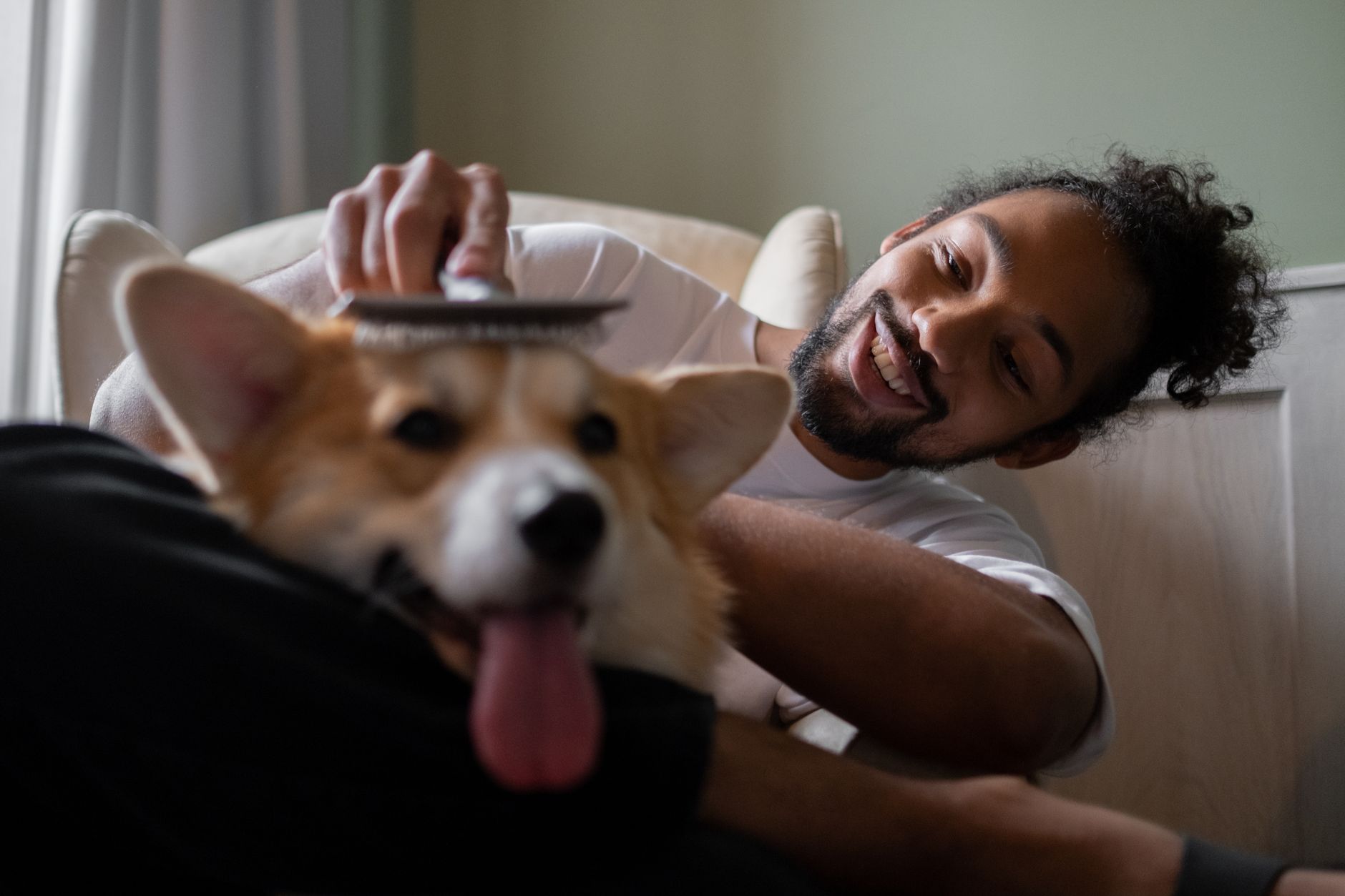
Brushing and detangling keeps the coat free of debris, prevents mats, and stimulates skin circulation. It’s also your best regular check-in on your dog’s skin and coat health.
Bathing removes dirt, allergens, and odour. Done at the right frequency, it supports healthy skin. Done too often, it strips the natural oils that protect it.
Nail trimming or grinding is one of the most overlooked tasks. Overgrown nails affect how a dog distributes weight when standing and walking. Long-term, that matters for joint health.
Ear cleaning prevents wax and debris buildup that can lead to infection. This is especially important for dogs with floppy ears or hair in the ear canal.
Teeth brushing is the single most impactful thing you can do for your dog’s long-term health outside of diet. Dental disease is extremely common and largely preventable.
Eye area cleaning is relevant for flat-faced breeds like Bulldogs and Pugs, and any dog prone to tear staining. A damp cloth handles most of it.
Sanitary trim maintenance — keeping the fur around the rear end tidy — is worth knowing about for long-coated dogs, though it deserves its own guide.
What Home Grooming Doesn’t Replace
Home grooming handles maintenance. It doesn’t replace everything:
- Scissor or clipper styling cuts require real skill and proper equipment. A bad cut grows out; cuts too close to skin can cause injury.
- Severely matted coats need professional intervention. Pulling at tight mats causes skin trauma.
- Anal gland expression is a groomer or vet task, not something to attempt casually at home.
- Any task that causes genuine distress or pain — if a dog is snapping, shaking uncontrollably, or visibly suffering, stop. That’s a job for a professional groomer familiar with anxious dogs, or a behaviourist.
Home grooming can handle most of what your dog needs day to day. Knowing the exceptions makes the rest more manageable.
At-Home Dog Grooming Essentials: The Core Toolkit and What to Skip
The most common at-home grooming mistake isn’t technique — it’s buying the wrong tools. Here’s what most dogs actually need, and what you can safely leave on the shelf.
The Core Toolkit
A brush suited to your dog’s coat type is the most important purchase, and the one most owners get wrong. Here’s the quick breakdown:
- Slicker brush: versatile, effective on medium and long coats, good for working through mild tangles
- Bristle brush: ideal for short, smooth coats where you’re mostly polishing and distributing oils
- Undercoat rake or deshedding tool: specifically for double-coated breeds — reaches the dense underlayer a surface brush won’t touch
- Pin brush: best for long, fine, or silky coats where a slicker might catch and break the hair
A cheap brush with sharp, unfinished tips can scratch skin. It’s worth spending a modest amount on this one.
Dog-specific shampoo matters more than most owners realise. Canine skin sits at a higher pH than human skin — roughly 6.5 to 7.5 compared to our 4.5 to 5.5. Human shampoo disrupts the skin’s natural barrier and causes dryness and irritation over repeated use. This applies even to formulas marketed as “gentle” or “natural.” A pH-balanced dog shampoo covers most dogs well — look for soap-free formulas with oatmeal or aloe if your dog has sensitive skin. If you have a heavy shedder, a deshedding shampoo used seasonally can help loosen the undercoat during bath time.
Nail clippers or a nail grinder — both work. The right choice depends on your dog. Guillotine or scissor-style clippers are straightforward once you know where the quick (the blood vessel inside the nail) is. Grinders are slower but better for dogs who react badly to the snap of clippers. This is the task most owners dread. That’s normal, and it gets easier with practice.
Ear cleaner — a vet-approved rinse-and-wipe solution for removing wax and debris from the visible inner ear. Use it after baths, after swimming, or when you notice buildup. It’s a small item that prevents a common and frustrating problem. A good ear cleaning solution is worth keeping on hand as part of your dog grooming at home essentials kit.
Dog toothbrush and enzymatic toothpaste — finger brushes are a good starting point for dogs new to the process. Never use human toothpaste on a dog. Most human toothpastes contain xylitol, which is toxic to dogs, and fluoride at concentrations that aren’t safe to swallow. Dog-specific enzymatic toothpaste is designed to be swallowed and does the antibacterial work even without perfect brushing technique.
A lick mat is worth a brief mention here. Smear it with a small amount of xylitol-free peanut butter or wet food, stick it to the tub wall or floor, and it gives your dog something to focus on during the parts of grooming they find least comfortable — particularly bath time and nail sessions.
What You Probably Don’t Need Yet
- High-velocity dog dryer: genuinely useful for double-coated breeds, but expensive and loud. A regular low-heat hair dryer or towel drying works fine for most dogs.
- Full clipper sets: this is a real skill that takes time to develop. Without proper training, clippers often produce uneven results and can nick skin.
- Multiple brush types before you know your dog’s coat: start with one appropriate brush, see how the coat responds, and add from there.
The goal is a toolkit of four or five items that you’ll actually use — not a drawer full of gear that gathers dust.
How Often to Groom Your Dog: A Schedule by Task and Coat Type
This is the core of any at-home dog grooming routine. Frequency is where most generic advice falls apart. A dog grooming frequency by coat type approach serves you far better than a single universal schedule.
Why Coat Type Changes Everything
A Labrador Retriever and a Bernese Mountain Dog are both large dogs, but their grooming needs are meaningfully different. Three variables drive frequency: coat length, density (single-layer vs. double-layer with an insulating undercoat), and texture (smooth, wire, curly, or silky). Getting this right is the difference between a manageable routine and a frustrating one.
Short/Smooth Coats — Beagle, Boxer, Weimaraner, Dalmatian
- Brushing: once a week with a bristle brush or rubber curry comb
- Bathing: every 6–8 weeks, or when visibly dirty or smelly
- Nails: every 3–4 weeks
- Ears: check weekly, clean when dirty or after water exposure
- Teeth: daily is ideal; three times per week is the functional minimum
These coats are genuinely low-maintenance. Most of the work is consistency on nails and teeth, not hours of brushing.
Medium/Double Coats — Labrador, Golden Retriever, German Shepherd, Husky
- Brushing: 2–3 times per week; daily during shedding season (spring and autumn)
- Bathing: every 4–6 weeks; avoid going shorter than four weeks regularly — it strips the natural oil barrier that insulates and protects the coat
- Nails: every 3–4 weeks
- Ears: weekly check; clean as needed, more often after swimming
- Teeth: daily or near-daily
The deshedding tool earns its place here. During heavy shed periods, using an undercoat rake before and during bathing dramatically reduces the volume of loose fur and speeds up drying time.
Long/Silky Coats — Shih Tzu, Afghan Hound, Yorkshire Terrier, Maltese
- Brushing: daily — this is non-negotiable for these coats. Even a day or two of skipping leads to tangles at friction points.
- Bathing: every 2–4 weeks; longer intervals allow oil and debris to build up and accelerate matting
- Nails: every 3–4 weeks
- Ears: weekly; many of these breeds grow hair inside the ear canal, which traps moisture and raises infection risk
- Teeth: daily
This is the highest-maintenance coat type for home owners. Consistent brushing keeps the coat manageable. Let it slide and you’re in mat territory quickly.
Wire/Rough Coats — Border Terrier, Wirehaired Pointing Griffon, Wire-Haired Dachshund
- Brushing: weekly with a slicker or pin brush
- Bathing: every 6–8 weeks
- Nails: every 3–4 weeks
- Ears: weekly check
A quick honest note on wire coats: hand-stripping (plucking dead outer coat by hand) maintains the correct harsh texture and is technically the right method for many terrier and rough-coated breeds. Clipping softens the coat texture over time. In practice, most pet owners clip. For a companion dog — not a show dog — that’s fine. It’s a style preference, not a health issue.
Curly/Low-Shedding Coats — Poodle, Doodle Mixes, Portuguese Water Dog, Bichon Frisé
- Brushing: daily — curly coats mat faster than almost any other type. The low-shedding quality means dead hair stays in the coat and tangles with new growth.
- Bathing: every 3–4 weeks; longer gaps between baths actually increase mat risk as the coat dries out and compacts
- Nails: every 3–4 weeks
- Professional trimming: every 6–8 weeks is realistic for most owners who maintain the coat consistently at home between visits
This is the coat type where professional grooming appointments remain genuinely necessary even for committed home groomers. Home brushing and bathing maintain the coat; a professional handles the trimming and shaping.
A Note on Puppies
Puppies don’t need intensive grooming, but early positive exposure is one of the most valuable things you can do. Short sessions with a soft brush, gentle handling of paws and ears, and lots of high-value treats teach a puppy that grooming is safe and predictable. The goal at this stage is comfort, not thoroughness. A puppy who tolerates — and ideally enjoys — grooming tools and handling will be far easier to maintain for life.
Brushing, Bathing, Nails, and Ears: How to Do Each One Right
Knowing what to do is different from knowing how to do it correctly. Here’s enough execution guidance for each major task to get you started and help you recognise when it’s working.
Brushing
Always brush before bathing. Wet mats tighten and become much harder to remove. Work in sections, moving with the coat first, then gently against it for dense coats to reach closer to the skin. Pay close attention to common mat zones: behind the ears, in the armpits, at the groin, and behind the collar.
What success looks like: the brush moves through the coat without catching; no clumps pulling free after you’ve finished; coat lies flat and looks aerated.
Bathing
Use lukewarm water — not hot. Wet the coat thoroughly before adding shampoo. Diluting the shampoo in your hands first helps it spread more evenly. Rinse completely. Shampoo residue left on the skin is a common cause of post-bath itching and flaking. For double-coated dogs, towel dry first, then use low-heat airflow to dry the undercoat. Leaving a dense coat damp for hours can trigger hot spots — moist, irritated skin patches.
What success looks like: coat smells clean and neutral; skin isn’t red or flaky after drying; no residue visible at the skin line.
Nail Trimming
The quick is the blood vessel and nerve inside the nail. Cutting into it causes pain and bleeding. On light-coloured nails, the quick shows as a pink line. On dark nails, cut in small increments and look at the cut surface. A white or grey circle means you’re in safe territory. A dark dot in the centre means you’re approaching the quick — stop there.
If you nick the quick, apply styptic powder or cornstarch with gentle pressure. Bleeding stops within a minute or two. The dog will be fine, though they may be less cooperative for the next session. A lick mat stuck to the floor or tub wall during nail trimming can help keep an anxious dog focused on something positive.
What success looks like: nails don’t click on hard floors when the dog walks; the dog’s toes sit flat when standing, not splayed by overlong nails.
Ear Cleaning
Only clean when there’s visible wax, mild debris, or post-swim dampness. Don’t treat it as a routine weekly scrub regardless of what’s there. Apply a vet-approved ear cleaner to a cotton ball and wipe the visible inner ear flap only. Never insert anything into the ear canal.
If you notice a strong or unusual odour, dark discharge, redness, or your dog is shaking their head or pawing at their ear, stop and contact your vet. Those are signs of infection, not a grooming situation — and a situation covered in more detail in [When Dog Itching Needs a Vet Visit](). Cleaning an infected ear without treatment doesn’t help and can make things worse.
What success looks like: inner ear flap looks pale pink, smells neutral, and the dog isn’t pawing at or rubbing their ears.
Teeth Brushing
Introduce the process slowly. Let the dog taste the toothpaste first for a few sessions before you work up to actual brushing. Focus on the outer surfaces of the back upper teeth — where tartar builds fastest — rather than spending time on surfaces the tongue naturally keeps cleaner. Aim for about 30 seconds per side. Dental chews are a useful supplement between brushing sessions, but they don’t replace mechanical plaque removal.
What success looks like: gums are pink (not red or swollen); no thick tartar line at the gum margin; breath is neutral, not strongly offensive.
Common At-Home Dog Grooming Mistakes That Cause Problems Over Time
These aren’t dramatic errors. They’re gradual habits that quietly lead to skin issues, mat emergencies, or a dog who dreads grooming sessions.
Bathing too often strips the skin’s natural oil barrier. The skin responds by overproducing oil to compensate. The result is a dog who ends up smellier and flakier than before. Stick to the frequency range for your coat type.
Skipping brushing before bathing turns small tangles into tight mats. Water causes tangled hair to contract and lock. Five minutes of brushing before the bath saves considerable frustration afterward.
Ignoring nails until they’re very long affects more than appearance. Overgrown nails force the toes into an unnatural position. That changes weight distribution and — over months and years — contributes to joint stress, particularly in older dogs.
Cleaning ears too aggressively or too frequently disrupts the natural environment of the ear canal. It can cause micro-irritation that makes infection more likely, not less. Clean when there’s a reason to clean.
Using human grooming products on a regular basis causes cumulative skin pH disruption. It’s not an emergency if it happens once, but it’s worth correcting as a habit.
Forcing a resistant dog through grooming is counterproductive. It creates lasting anxiety that makes every future session harder. Stop, take a break, reset with high-value treats, and do a shorter session. Progress is measured over weeks, not within a single sitting.
Letting small mats sit is how minor tangles become problem mats. A small tangle takes 30 seconds to work through. A mat that’s been there for two weeks requires detangling spray, patience, and sometimes professional help.
When Home Grooming Isn’t Enough and a Pro Visit Makes Sense
Home grooming handles the maintenance layer well. There are situations where it genuinely isn’t the right tool.
Styling Cuts and Coat Shaping
Breed clips, scissor work around eyes and paws, and full coat shaping require professional skill and proper equipment. The practical approach for most owners of long, curly, or wire-coated dogs is to handle home maintenance — brushing, bathing, ear cleaning, nails, teeth — and use a professional groomer for trimming every 8–12 weeks. That’s not a failure of home grooming; it’s a sensible division of labour.
Severe Matting
If a mat is tight against the skin, large, or near a sensitive area like the groin or armpit, it needs professional handling. Attempting to cut or pull severe mats at home risks cutting skin or causing significant pain. A professional shave-down and a fresh start is the right call — and a good opportunity to reset your brushing routine going forward.
When a Dog’s Behaviour Makes Home Grooming Unsafe
Some dogs have genuine anxiety or trauma around grooming that treats and patience alone won’t resolve. If a dog is consistently snapping, freezing, or visibly panicking during grooming, a professional groomer experienced with anxious dogs — or a consultation with a certified applied animal behaviourist — is a better path than repeated forced sessions at home.
Coat and Skin Issues Found During Grooming
Grooming puts you in close contact with your dog’s skin in a way that nothing else does. If you find new lumps, patches of unusual hair loss, persistent redness, or skin that looks broken or infected, note what you’ve found and contact your vet. These are health concerns, not grooming ones. You can find guidance on when skin and coat changes need veterinary attention in [When Dog Itching Needs a Vet Visit](). Grooming over these issues won’t resolve them.
Frequently Asked Questions
How often should I bathe my dog? It depends on coat type. Every 4–8 weeks covers most dogs. Short, smooth coats can go 6–8 weeks between baths. Long and curly coats do better at 2–4 weeks. Bathing too often strips the skin’s natural oils and can cause dryness and odour over time.
Can I use human shampoo on my dog? No. Human skin has a lower pH than canine skin. Human shampoo — even gentle or natural formulas — disrupts the coat’s natural barrier and causes dryness and irritation with repeated use. Use a dog-specific shampoo.
How do I know if I’ve cut my dog’s nail too short? You’ll see bleeding and your dog will react. Apply styptic powder or cornstarch, hold gentle pressure, and reassure your dog. It’s painful in the moment but not a serious injury. The dog will recover quickly, though they may be less cooperative next session.
My dog hates being groomed — what do I do? Start with shorter sessions. Use high-value treats and pair tools with positive associations before using them on the dog. If resistance is severe and longstanding, a behaviourist consultation is more effective than repeated forced sessions at home.
Do I still need a professional groomer if I groom at home? It depends on the dog. Short and medium coats can often be fully maintained at home. Long, curly, and wire coats typically benefit from professional trimming every 6–10 weeks, even with consistent home brushing and bathing.
What does a mat look like, and how do I handle it? A mat is a dense, tangled clump of hair that resists brushing. Small mats can be worked through with a detangling spray and a wide-tooth comb. Work in slow outward strokes from the tip inward. Tight or large mats close to the skin should be handled by a groomer.
Is it safe to clean my dog’s ears at home? Yes, for routine wax and debris. Use a vet-approved ear cleaner on a cotton ball and wipe only the visible inner flap. Do not insert anything into the canal. If you notice odour, discharge, or redness, see a vet. Those are signs of infection, not a grooming issue.
What age should I start grooming my puppy? As early as possible. The priority is positive exposure rather than thoroughness. Short, gentle sessions with soft brushes and plenty of reward build a dog that tolerates — and ideally enjoys — grooming for life.
Conclusion
Home grooming is one of the most practical things you can do for your dog’s long-term health — and it’s genuinely within reach for most owners. Here’s what matters most:
- Home grooming covers brushing, bathing, nails, ears, and teeth — all tasks most owners can handle confidently with the right tools and a little practice
- Coat type drives frequency more than any other single variable — get that right and the rest of the schedule falls into place
- The dog grooming at home essentials list is short: the right brush, a good dog shampoo, nail clippers or a grinder, ear cleaner, and a dog toothbrush with enzymatic toothpaste. A small, well-chosen toolkit outperforms a collection of mismatched gear every time.
- Consistency matters more than perfection — a dog who’s brushed regularly in short, calm sessions is in far better shape than one who gets an intensive session once a month
- Know the line between home maintenance and professional intervention — using a groomer for styling or severe matting isn’t a failure; it’s the right call
For dogs showing skin irritation, persistent itching, or coat changes that good grooming habits don’t resolve, that’s a veterinary conversation. See When Dog Itching Needs a Vet Visit.
Grooming, Care & Gear